Key topics/ areas of interest
- Relationship Between Fine Art & Graphic Design
- Art historical theories, concepts and their application in contemporary practice.
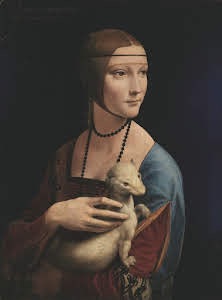
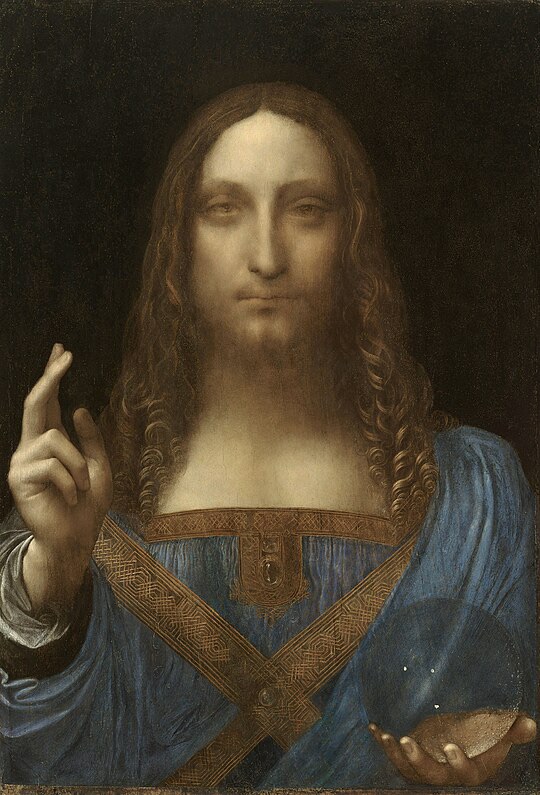
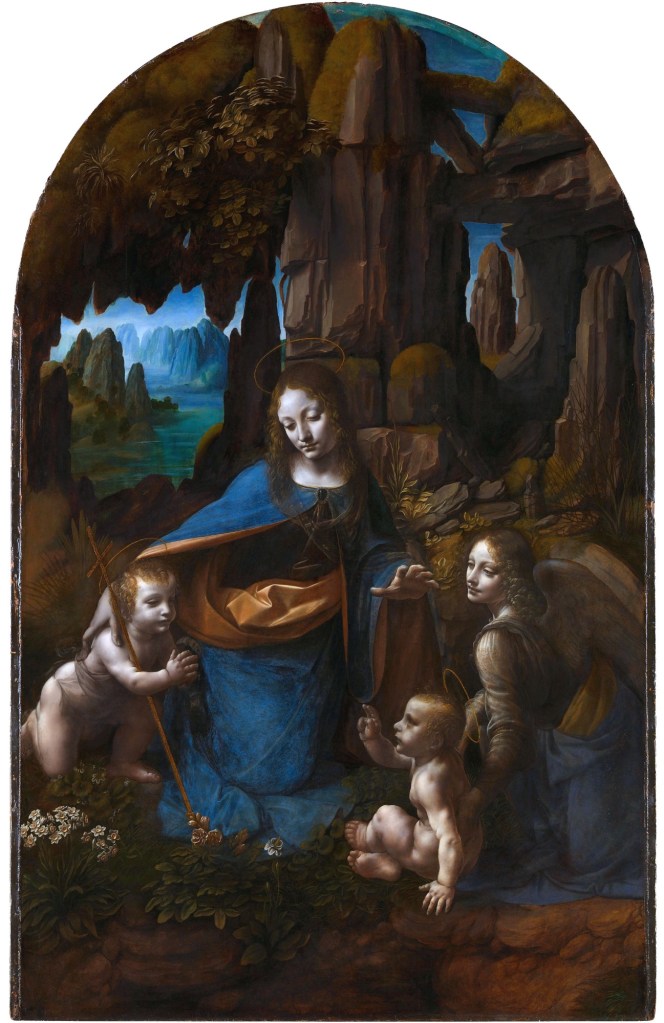
- How can traditional painterly techniques, such as chiascuro and sfumato, be interpreted in contemporary design/image making?
- How can the history of art inform my relationship with creativity as a contemporary designer?
- Portraiture: the self (module 1 reference). What is the role of portraiture in contemporary art and design?
- The sublime: romanticism and gothic art. Nature vs industrialisation and its relevance to contemporary environmental issues.
- process driven practice/ personal expression
- How can the boundaries between art and design be interrogated to inform a socially relevant contemporary practice?
- Social Good/ Animal Rights & Environment
- How can an art historical approach be applied to political design in order to generate social change.
- How can gothic/ romantic themes and imagery inspire contemporary environmental design activism
- Art, Women & Children:
- Accessibility in the creative sector from a feminist perspective, examining the experience of womanhood in a creative professional context.
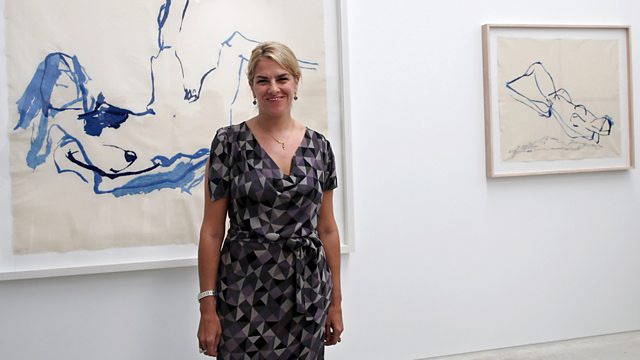
- Tracey Emin – art vs motherhood: is it possible to be a great artist and mother?
- Statistics surrounding male and female artists and their success
- Examine the range of topics explored by genders
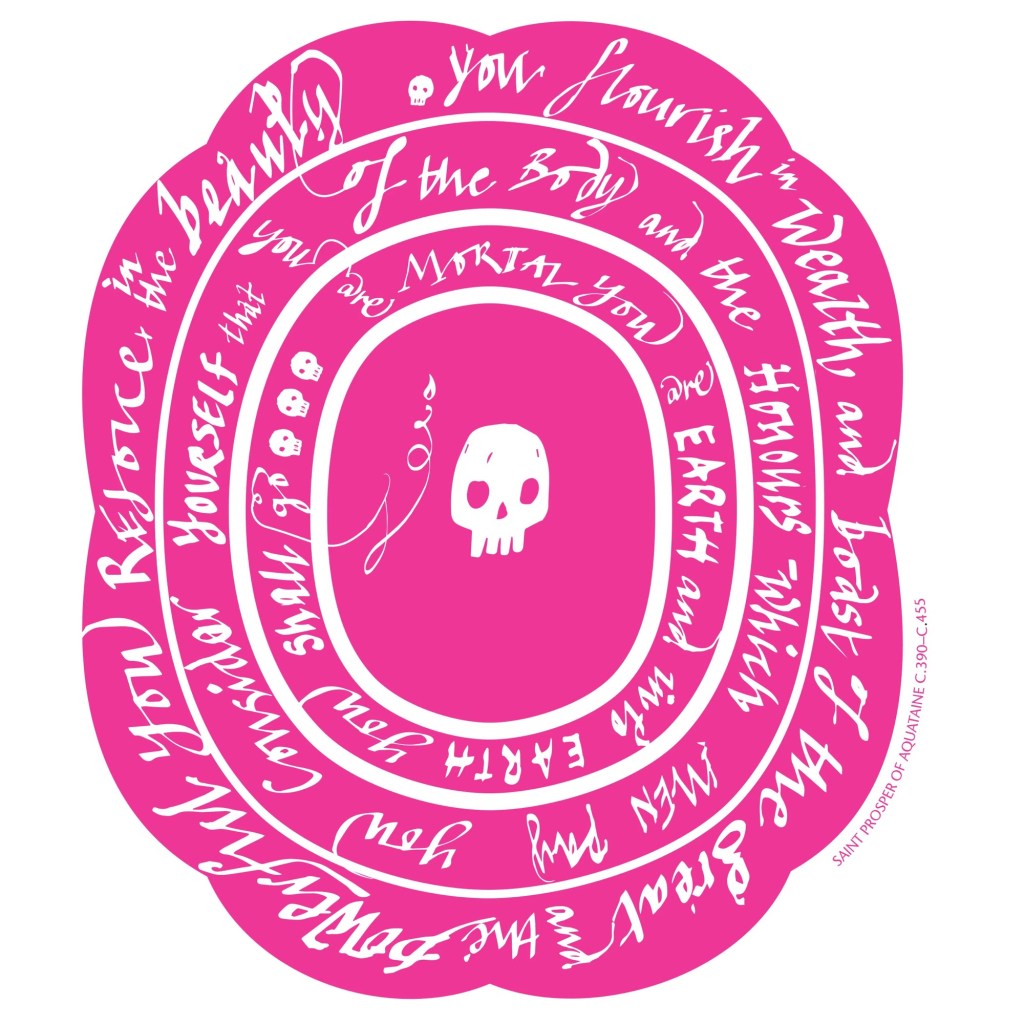
- Momento Mori: The Role of Death and Mortality in the Arts
- How is the concept of death influential to my creative practice?
- The sublime: how does visual/ sensory stimuli generate a profound awareness of human fragility
- How can design be used to achieve legacy/ what is the role of legacy in the creation of art and design.
- Creative Heritage: Ceramics, Art & Design.
- How can my contemporary design practice honour my creative family heritage and background fine art?
- This could be an effective research question offering a personal and specific focus with enough breadth to meaningfully explore ideas of mortality, nature and the sublime in the visual arts.
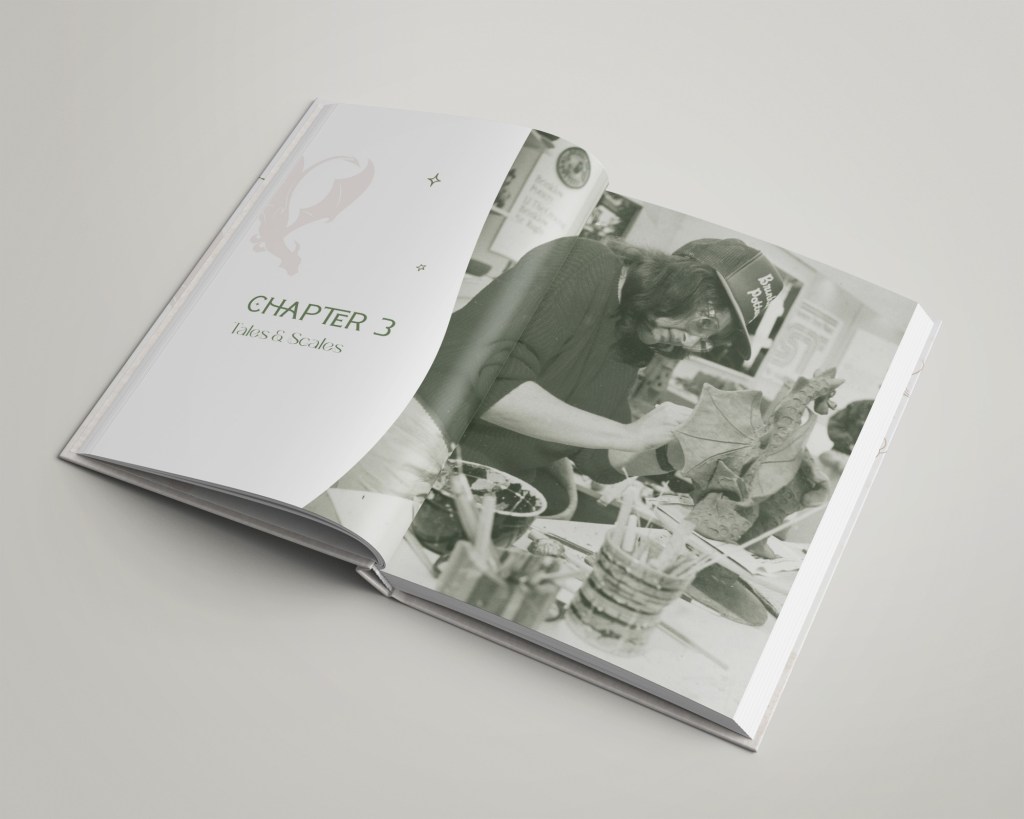
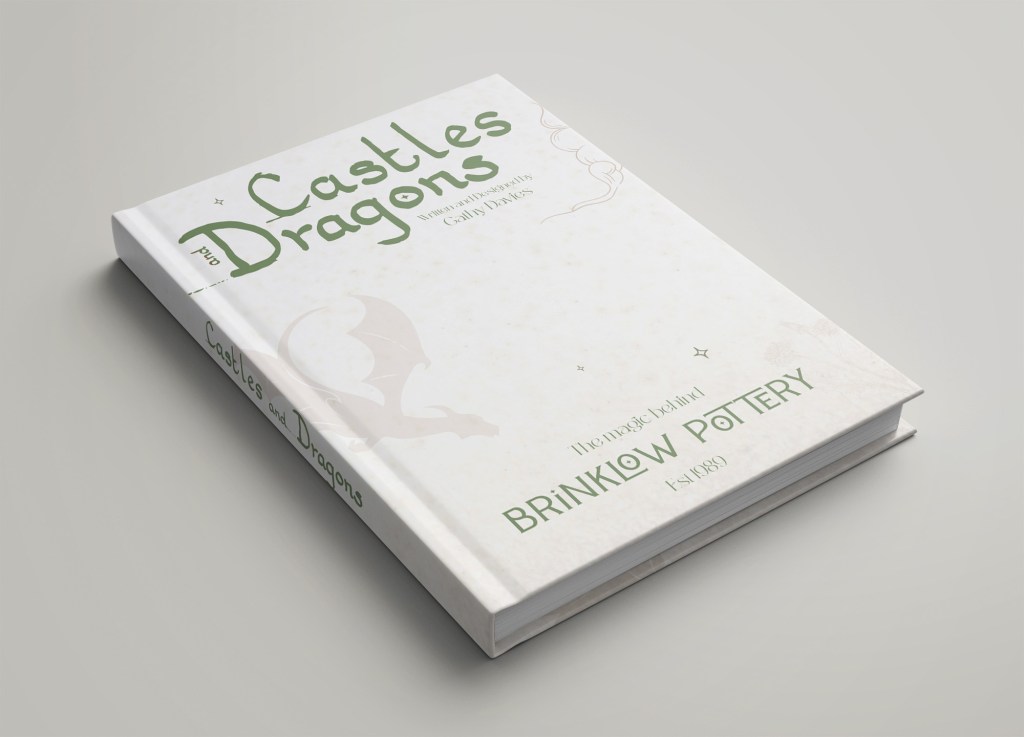
- Contemporary relevance of ceramic art and its relation to graphic design (e.g Grayson perry, sustainable practice)
- Historical processes and narratives around ceramic practice and how they contribute meaning to practitioners today
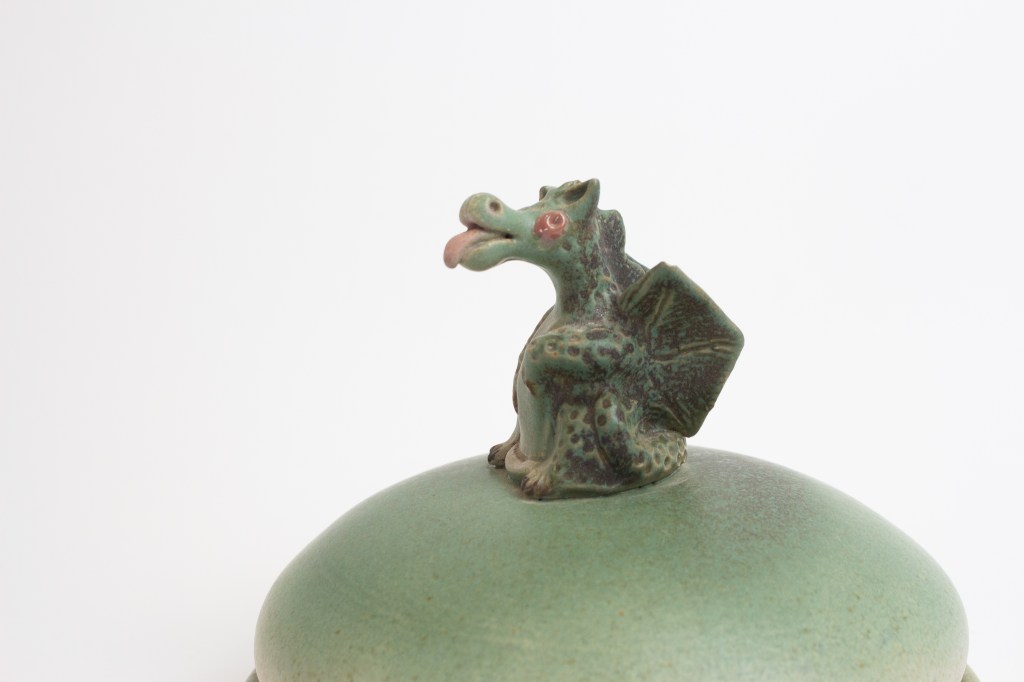
- Mythological and historical imagery/motifs: dragon, paganism, literary references such as King Arthur, lady of shallot.
- John Keats, Ode to a Grecian Urn: exploring permanence and ephemerality in the transitory process of pottery.
- Branding project/ business model for my own creative practice
- How can primitive materials and craft be referenced in contemporary design practice to create profound new meanings
- Final MA thought – practice that celebrates primitive design practices and examines their relevance in a contemporary context.
- How can contemporary design practice connect audiences with the eternal through primitive media and craft?
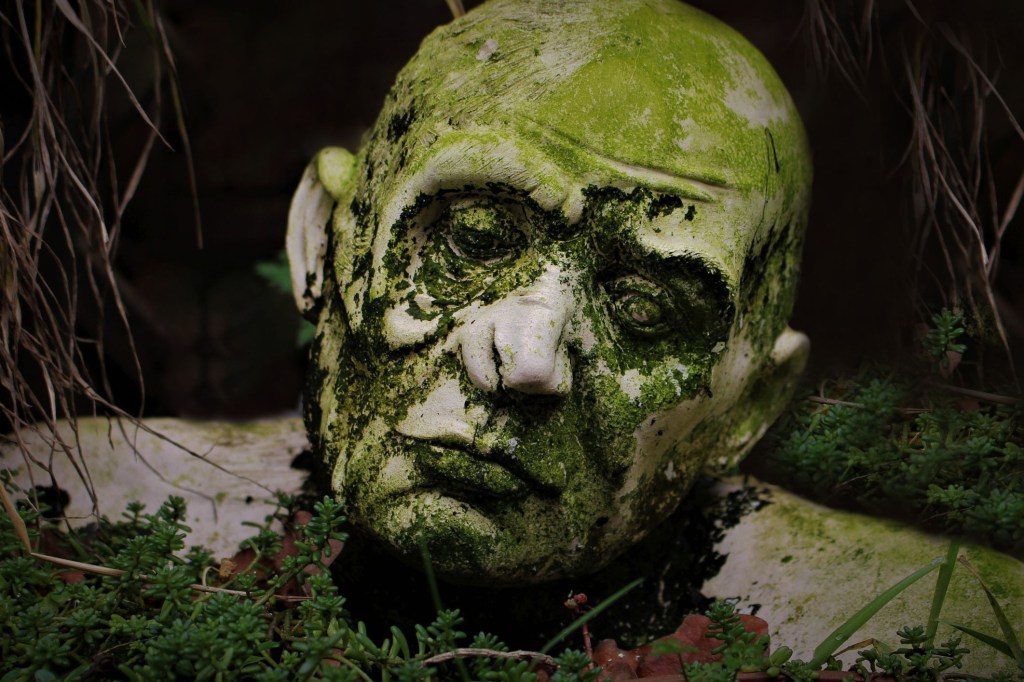
- Can the dragon be explored as a symbol for the sublime, representing fear and terror and human fragility, whilst also alluding to the threat of fire — environmental disaster – the world is on fire
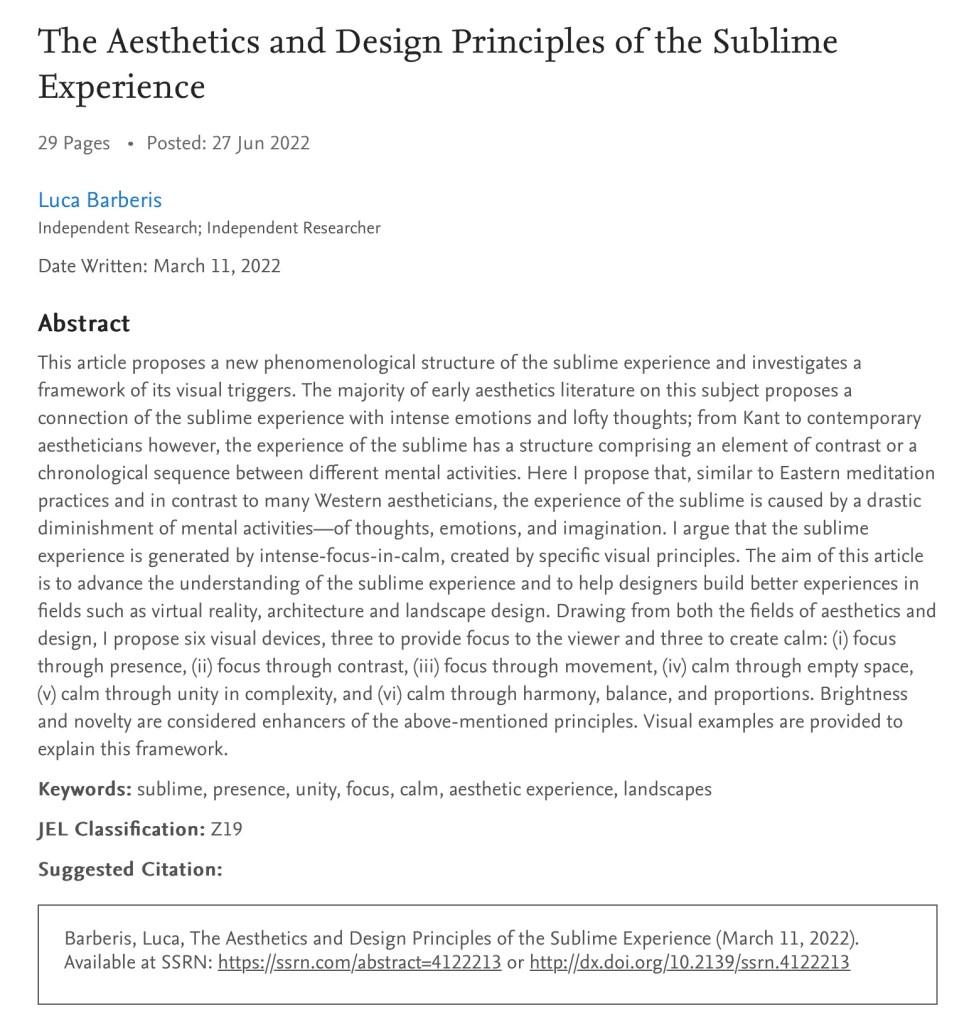
- The sublime in contemporary aesthetics
Further Research:
Art, Women and Children?
In an interview with Red Magazine, Emin maintains that having children would “compromise” her work. “I know some women can. But that’s not the kind of artist I aspire to be,” she says. “I would have been either 100 percent mother or 100 percent artist. I’m not flaky and I don’t compromise.” – artnet
“There are good artists that have children. Of course there are. They are called men.
– Tracey Emin.
Everyone wants something small to look after, to make them feel powerful.
– Tracey Emin, How it feels, 1996.
Tracey Emin challenges the social expectation for female artists to become mothers, from both a gender and existential perspective. In an interview for the Independent (Emin, 2014), she insisted that parenthood would make it impossible for her to maintain her career as an artist, highlighting how difficult it is for female artists to juggle parenthood with a career. She also emphatically stated, “there are good artists that have children. Of course there are. They are called men”.
Emin, T. (2014) ‘Tracey Emin: ‘There are good artists that have children. They are called men”, The Independent, 8 October. Available at: https://www.independent.co.uk/news/people/tracey-emin-there-are-good-artists-that-have-children-they-are-called-men-9771053.html (Accessed: 4 May 2025).The Independent
Initially this sceptical perspective made me feel disempowered and demoralized. As a female artist and designer currently considering having children, I recognize how motherhood poses a realistic threat to the time and energy required to maintain a creatively fulfilling lifestyle.
For me personally, since completing my studies in fine art (BA Hons) in 2017, design has become an opportunity for me to leverage my creative experience to establish financial security. Although I’ve become passionate about the functionality of design and its ability to empower meaningful initiatives in a practical way, I’ve always intended to reconnect with the tangible painting and sculpting processes of my fine art practice, and the conceptual, emotional and metaphysical depths that it allows me to access. My preoccupation with career development has resulted in a long term disconnect from fine art making and thinking that once gave me a strong sense of identity and creative fulfillment.
The feminist element of this topic highlighted my own concerns of losing my creative identity in place of motherhood, however it also revealed deeper questions into how I could exist at the intersection of these two disciplines in a meaningful and innovative way?
How do the boundaries between art and craft manifest in my own creative language?
During her pivotal fine art film How it feels (1996), while admiring a squirrel in the park and reflecting on her experience of abortion, she argues “everyone wants something small to look after, to make them feel powerful”. After reflecting on this egoistic perspective on parenthood, I was able to make a countering connection between the concept of giving birth and my own practices focus on cyclicality and eternity. Children and art can both be seen as vehicles through which to achieve a sense of immortality, legacy and continuity, as we have children for the same reasons that we make art – to experience something transcendental and profound, and to feel a sense that we may live beyond our physical selves.
At a deeper level the concept of birth could be explored from a female artistic perspective, examining the more profound existential ideas surrounding its relation to the human condition.
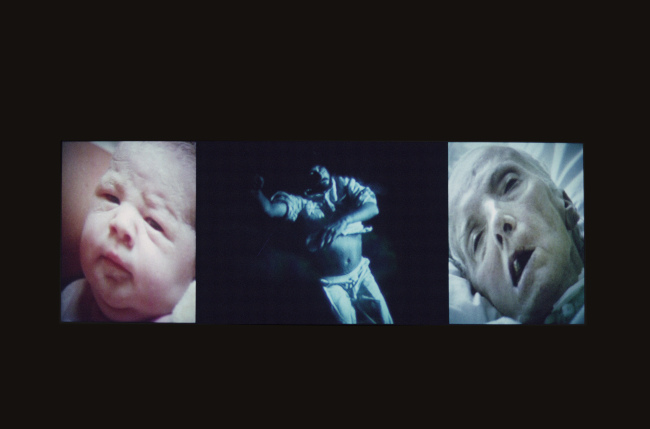
Bill Viola, Nantes Triptych, 1992
Video/sound installation
Courtesy Bill Viola Studio
Photo: Kira Perov


Mother Art Prize
Mother Art Prize 2020
“Being both an artist and a parent is physically and emotionally demanding, lonely, financially crippling and most of the networking opportunities happen at bath time which is one of the most important times of day for parents regardless of access to childcare. The Mother Art Prize is a wonderful idea for recognising the achievements of artist-mothers. Putting those achievements together as an exhibition encourages a sense of community and support, giving space to consider the balance between the demands of parenting and artistic ambitions.”
– Candida Powell-Williams: Mother Art Prize Winner 2018
Developed Question:
- How do the boundaries between art and craft manifest in my own creative language?
- How is womanhood experienced in the creative sector?
- How can motherhood be explored as a subject in order to celebrate the profound potential of human creativity?
- How can the concept of birth be explored from a celebratory perspective, examining the more profound existential ideas surrounding its relation to the human condition.
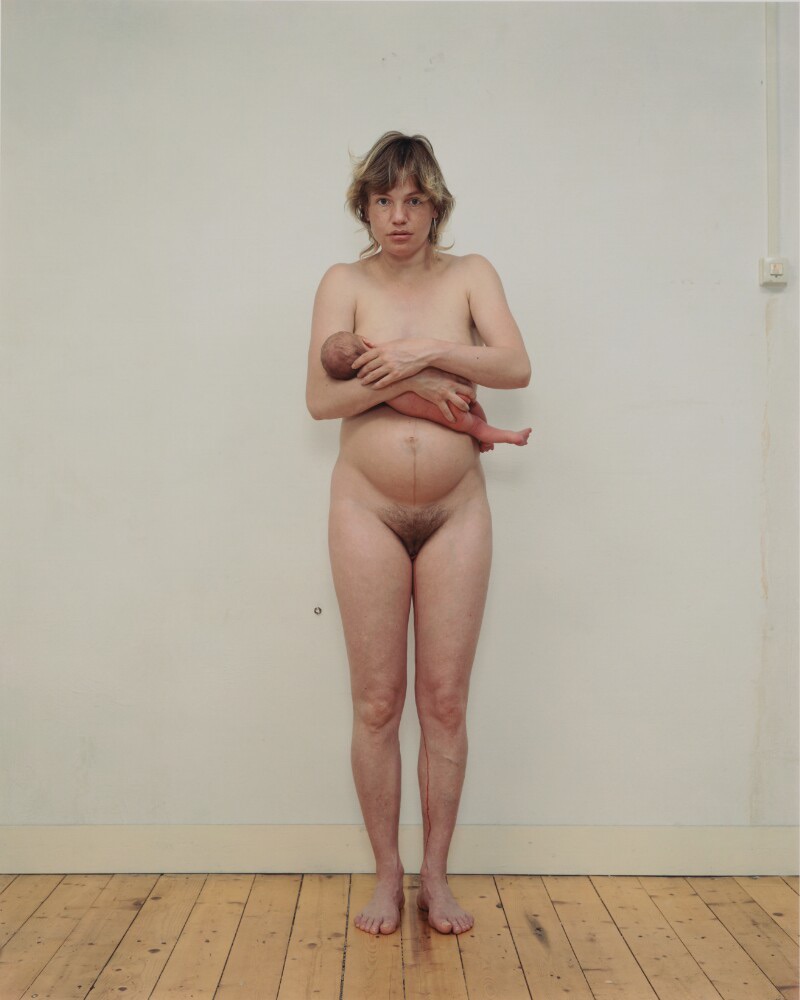
Rineke Dijkstra, New Mothers 1994


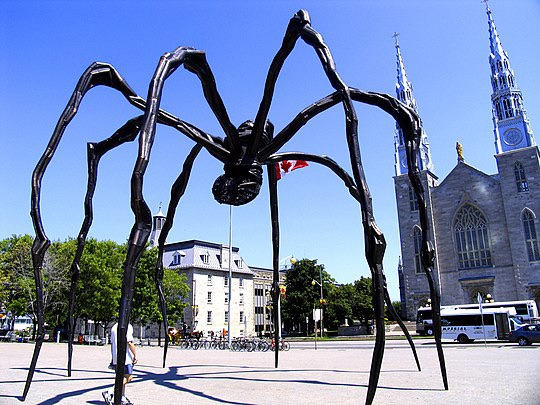
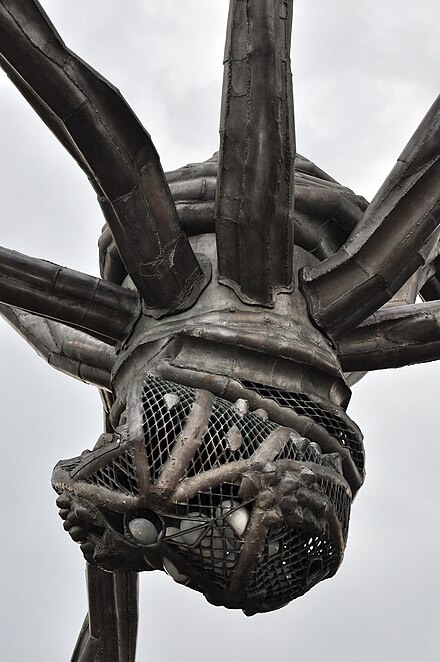
Mamma, 1999, Louise Bourgeois: The sculpture picks up the theme of the arachnid that Bourgeois had first contemplated in a small ink and charcoal drawing in 1947, continuing with her 1996 sculpture Spider.[4] It alludes to the strength of Bourgeois’ mother with metaphors of spinning, weaving, nurture and protection.[5] Her mother, Josephine, was a woman who repaired tapestries in her father’s textile restoration workshop in Paris.[4] When Bourgeois was twenty-one, she lost her mother to an unknown illness. A few days after her mother’s passing, in front of her father (who did not seem to take his daughter’s despair seriously), Louise threw herself into the Bièvre River; he swam to her rescue.[6]
The Spider is an ode to my mother. She was my best friend. Like a spider, my mother was a weaver. My family was in the business of tapestry restoration, and my mother was in charge of the workshop. Like spiders, my mother was very clever. Spiders are friendly presences that eat mosquitoes. We know that mosquitoes spread diseases and are therefore unwanted. So, spiders are helpful and protective, just like my mother.
Fertility strike and the contemporary ethical complexities around having children. Artistic creativity as an alternative to biological reproduction?

Further Research: Portraiture
Art and immortality – parallels of creativity – can this be viewed from another perspective?
A mythic figure in a lot of ways for women artists as somebody who was outside of her time but also very much in her time. A powerful woman and a powerful artist who was a survivor and challenged the system of patriarchy by how she represented herself and how she took up that space and put herself into the frame as an artist.
https://www.ikon-gallery.org/exhibition/artemisia-in-birmingham
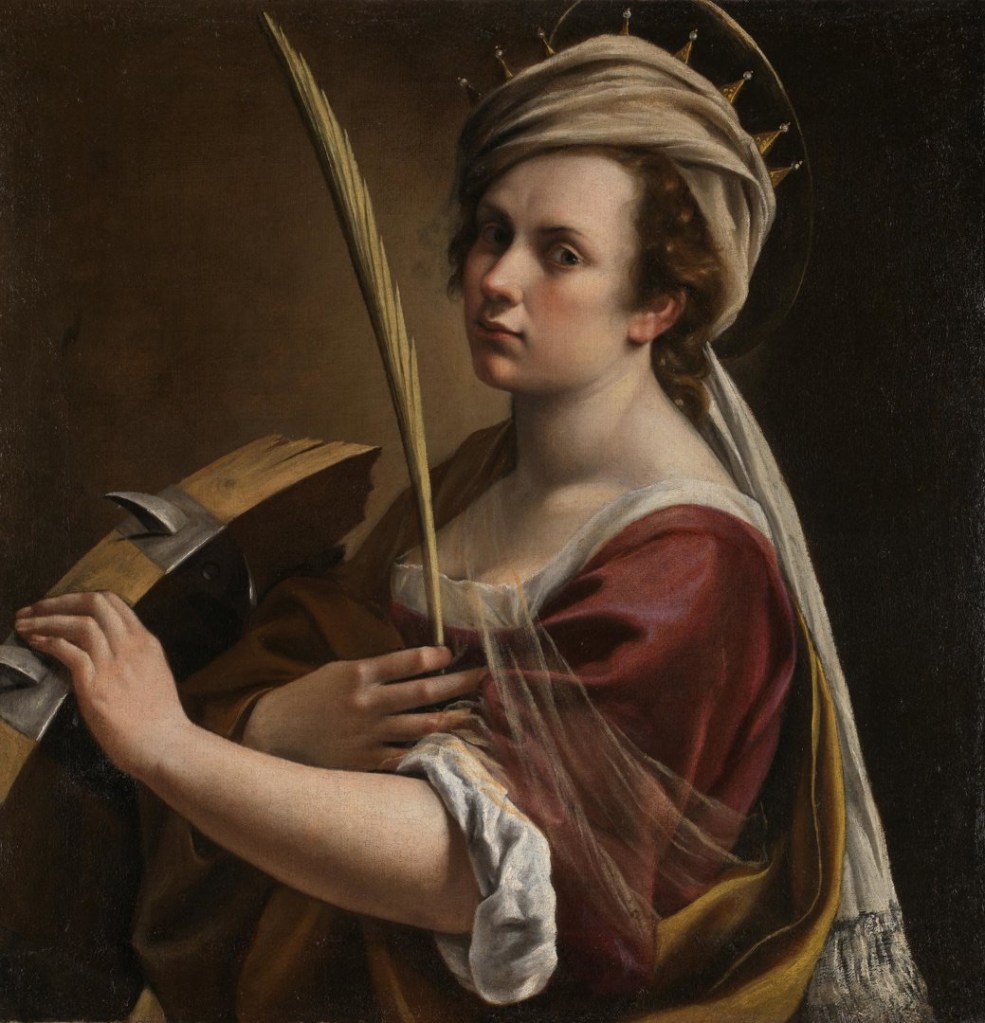
“That’s the magic trick of art history, to collapse time and make us feel we are standing in the presence of the past.”
The power of the portrait in connecting the viewer with the emotional dimensions of other human beings across time and cultural context.
“What does it mean for a woman to capture herself in the mirror? Artist Jesse Jones looks at Artemisia Gentileschi’s ‘Self Portrait as Saint Catherine of Alexandria’ as a composite of three women: Gentileschi herself (1593 – 1654 or later), Saint Catherine (287-305 AD) and the pagan philosopher, mathematician and astronomer Hypatia (around 370–415 AD). All three women are linked by their experiences of violence. Jesse Jones is a Dublin-based artist. Her practice crosses film, performance and installation. She has created a direct response to Artemisia Gentileschi’s ‘Self Portrait as Saint Catherine of Alexandria’ with her solo exhibition, ‘Mirror Martyr Mirror Moon’ at Birmingham’s Ikon Gallery. This is part of our National Treasures programme.”
https://www.nationalgallery.org.uk/paintings/artemisia-gentileschi
“The spirit of Caesar in the soul of a woman”
Born in Rome in 1593, Artemisia was brought up by her father, the painter Orazio Gentileschi. She trained alongside her three brothers in his workshop, where she proved the most talented of all his children.
At the age of only 17, Artemisia was raped by the painter Agostino Tassi. There followed an infamous trial in 1612, in which Artemisia was subjected to gruelling questioning and torture. Tassi was found guilty, but his punishment never enforced.
The story of her rape has defined the way art historians talk about Artemisia, especially the explicitly violent scenes in which a strong heroine is the main protagonist. While Artemisia’s personal identity is closely intertwined with her artistic production, there are many other experiences which shaped both her life and her art.
Self Portrait as Saint Catherine of Alexandria
In this self portrait, Artemisia shows herself in the guise of the 4th-century martyr, Saint Catherine of Alexandria. Sentenced to death by the emperor Maxentius, Catherine was bound to revolving wheels studded with iron spikes. Saved through heavenly intervention, she was later beheaded, but the instrument of her torture – a broken wheel – became her common attribute in art. Artemisia has deliberately chosen to use her own image for the martyr and depicts Saint Catherine as determined and empowered after her divine rescue.
https://www.nationalgallery.org.uk/paintings/artemisia-gentileschi



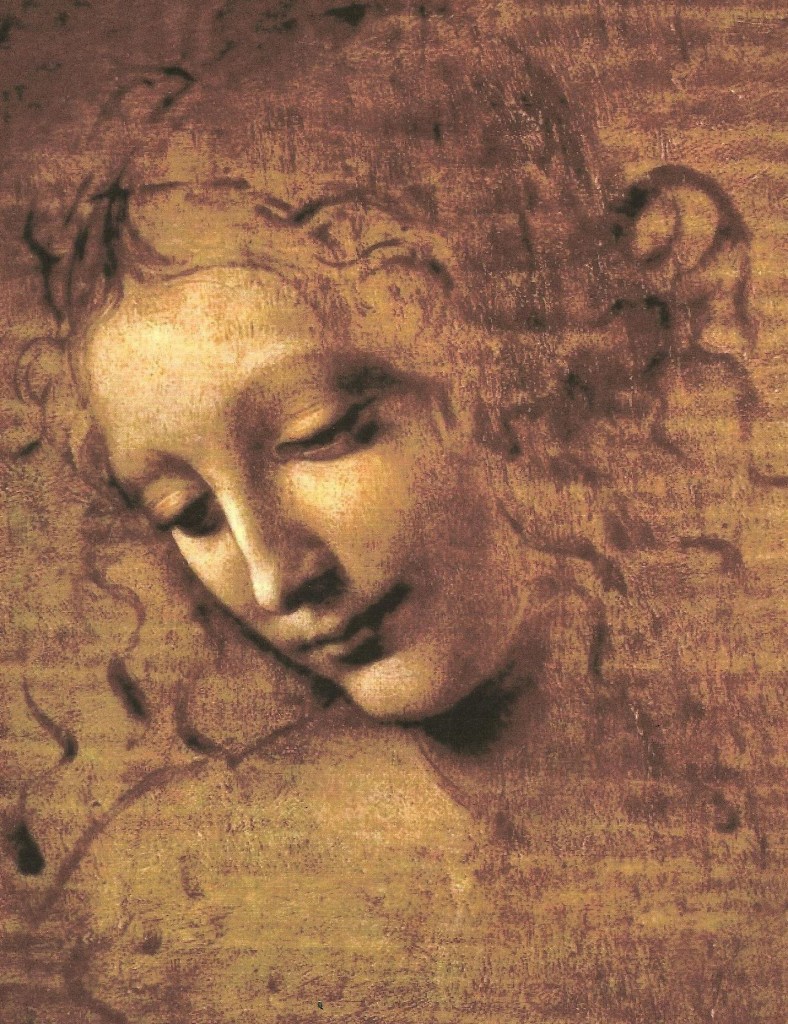
https://www.everypainterpaintshimself.com/blog/the_hanging_of_myra_hindley
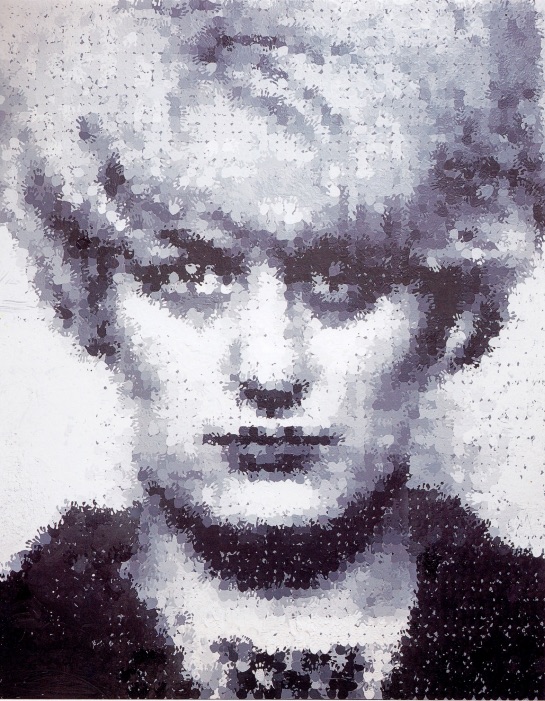
Process Driven Practice
- Tracey Emin: “The painting leading me… I want the painting to tell me something about myself that I don’t know”.
- This led me to reflect on my experience of ceramics and the connection with the elemental materiality of clay and the transitory process.
- Land art – the art is the experience rather than the visual effect
Further Research: Intersection between Ceramics, Art & Graphic Design
Potential Research Question: How can I explore the intersection between ceramics, art and graphic design in order to refine my own creative identity?
Greyson Perry

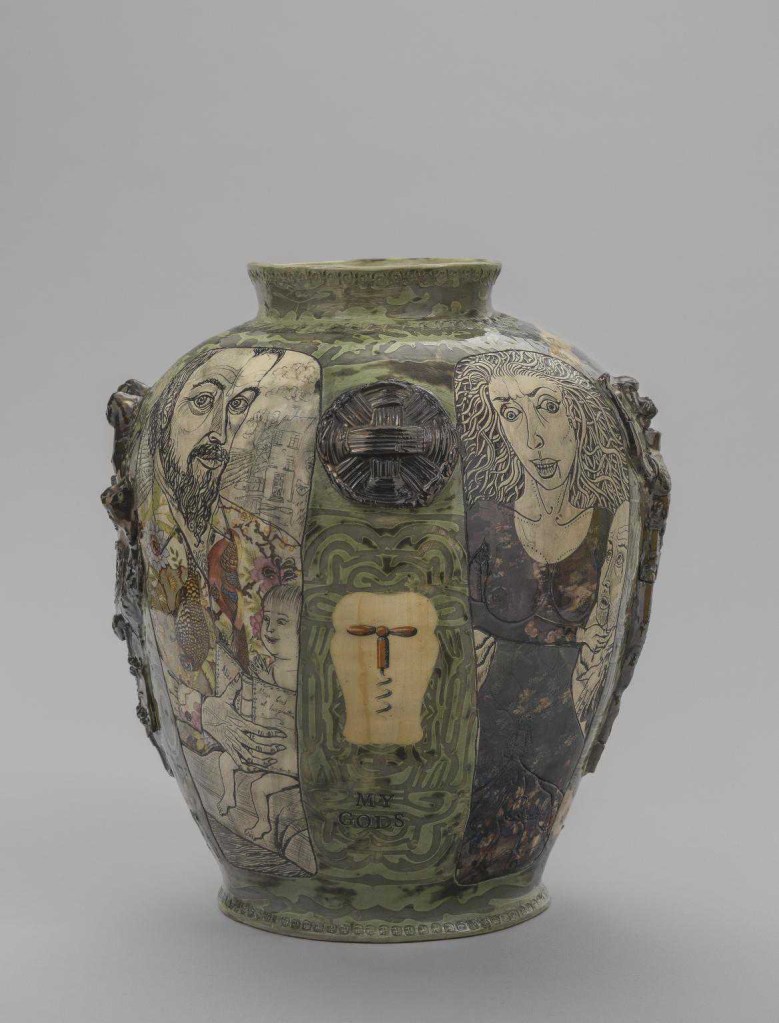

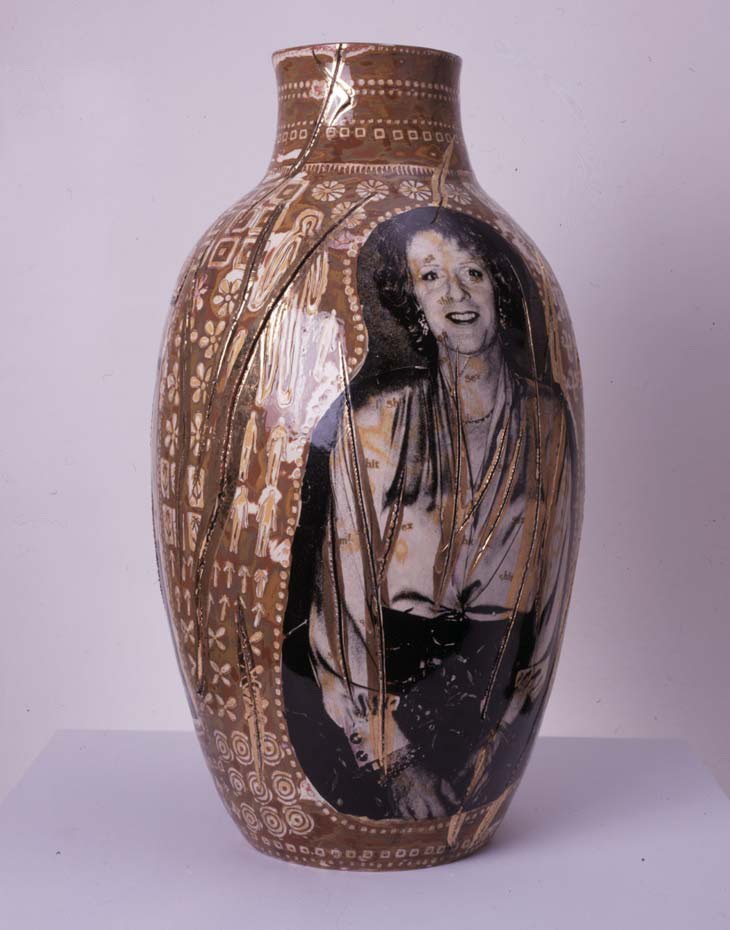
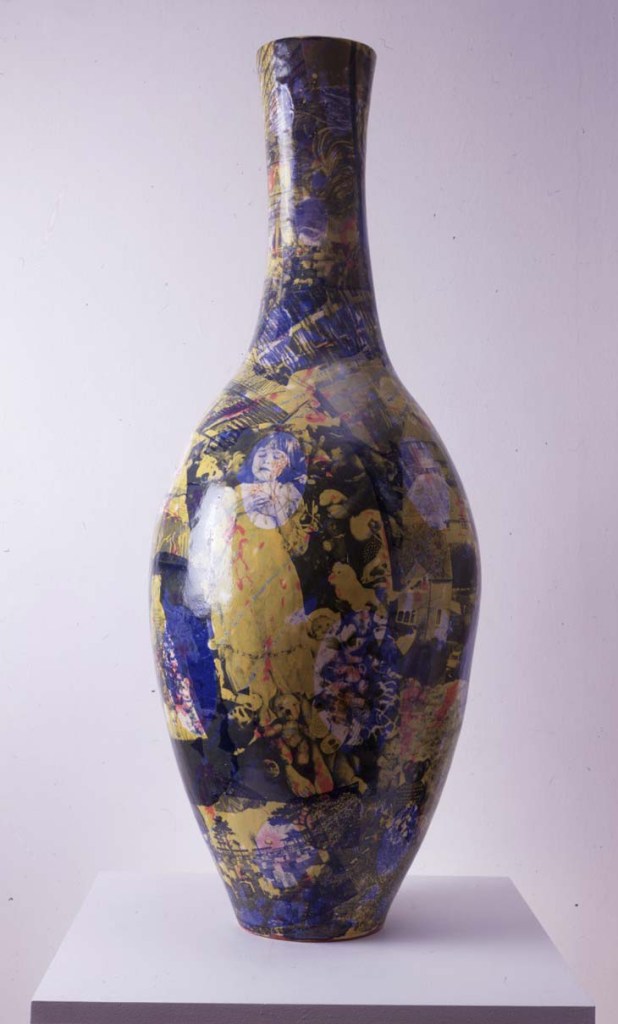
Ceramics process and its connections with themes of ephemerality, entropy and the Sublime. (John Keats – Ode to a Grecian Urn).
Research Question Developments:
- Fine Art and accessibility – feminism in contemporary art culture.
- How can the functions of fine art inform contemporary design artefacts for social good and foster environment awareness & compassion?
- The art of design: How is art used as a tool for emotional expression (exploring catharsis, mortality and the sublime)/
- How is the sublime explored in contemporary design practice and how does the intersection between art and design inform our relationship with nature (the self, human identity in the Anthropocene).
- How can the intersecting between art and design be influential to our understanding of self within the Anthropocene?
- The portrait – exploring the role of portraiture and how it informs our understanding of self in relation to existential issues (Anthropocene, climate change)
- How can the sublime be explored within the context of contemporary design practice and how can the boundaries between art and design be examined to reveal new insights into the human condition/ the self in the Anthropocene?
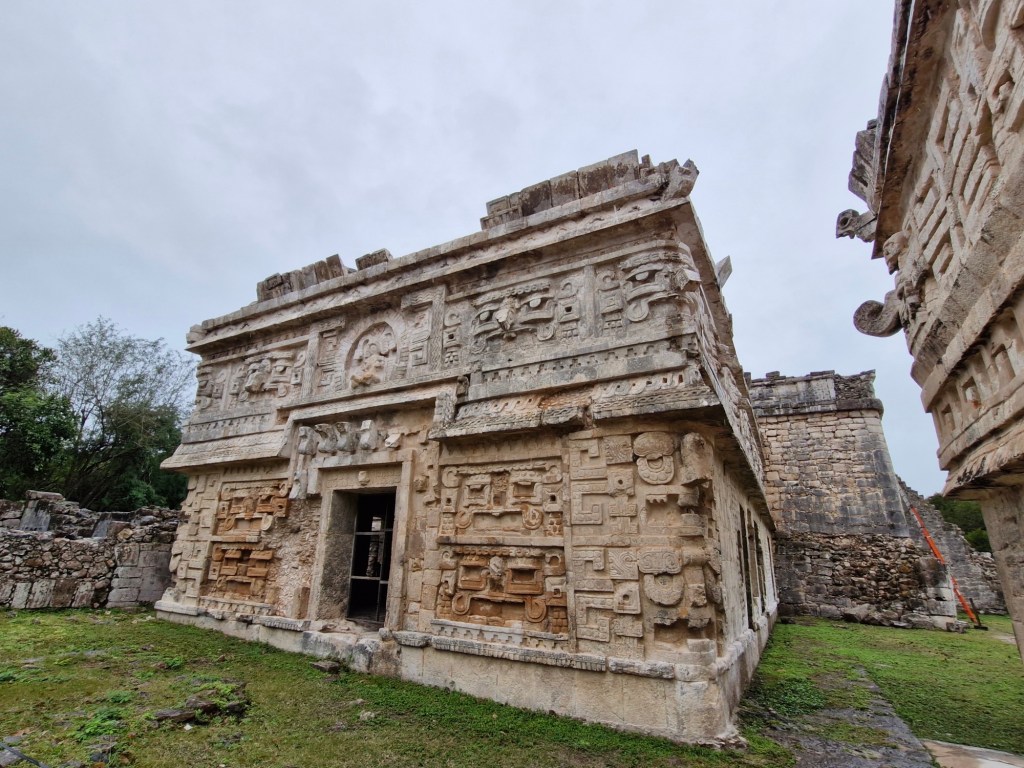
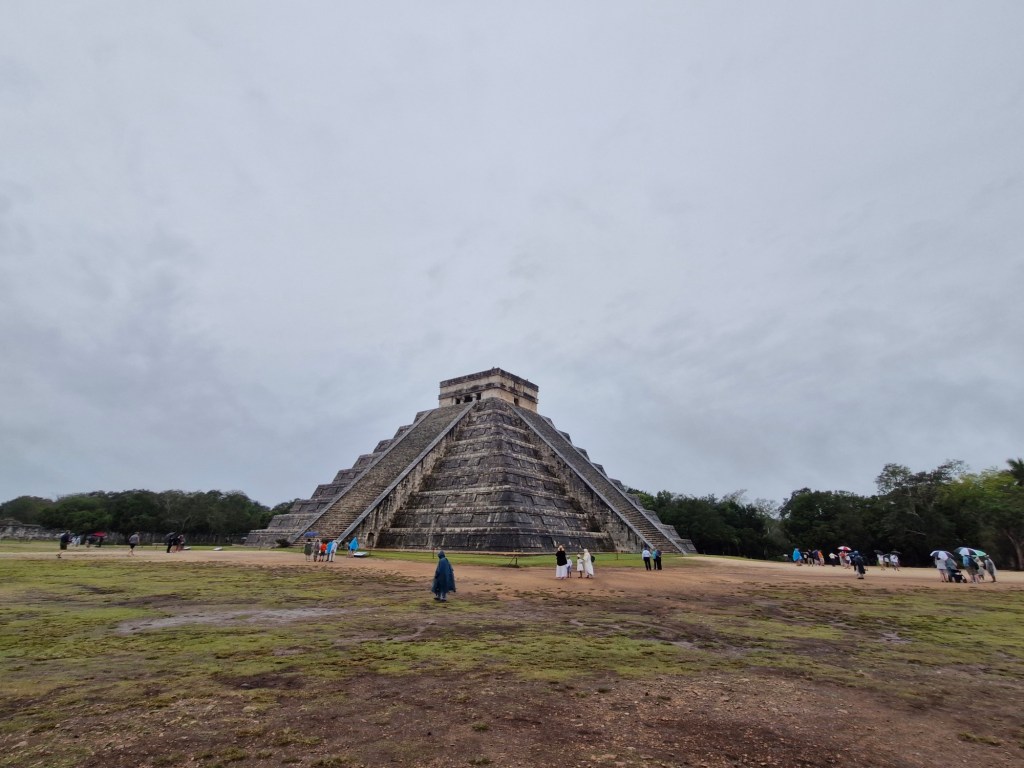
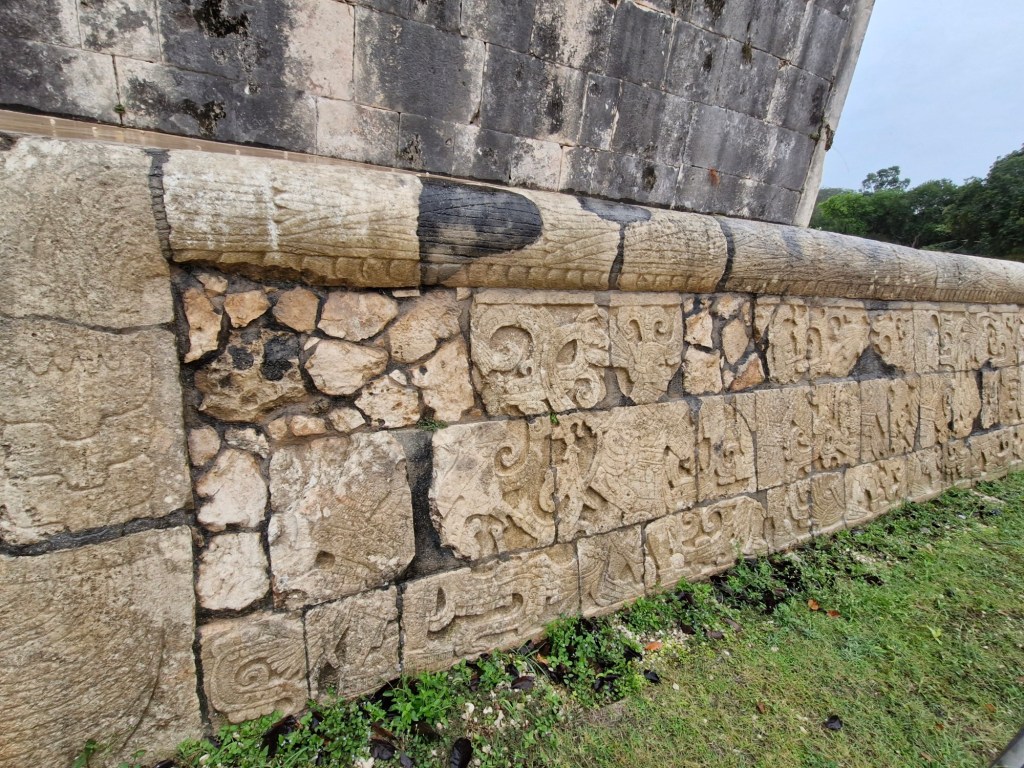
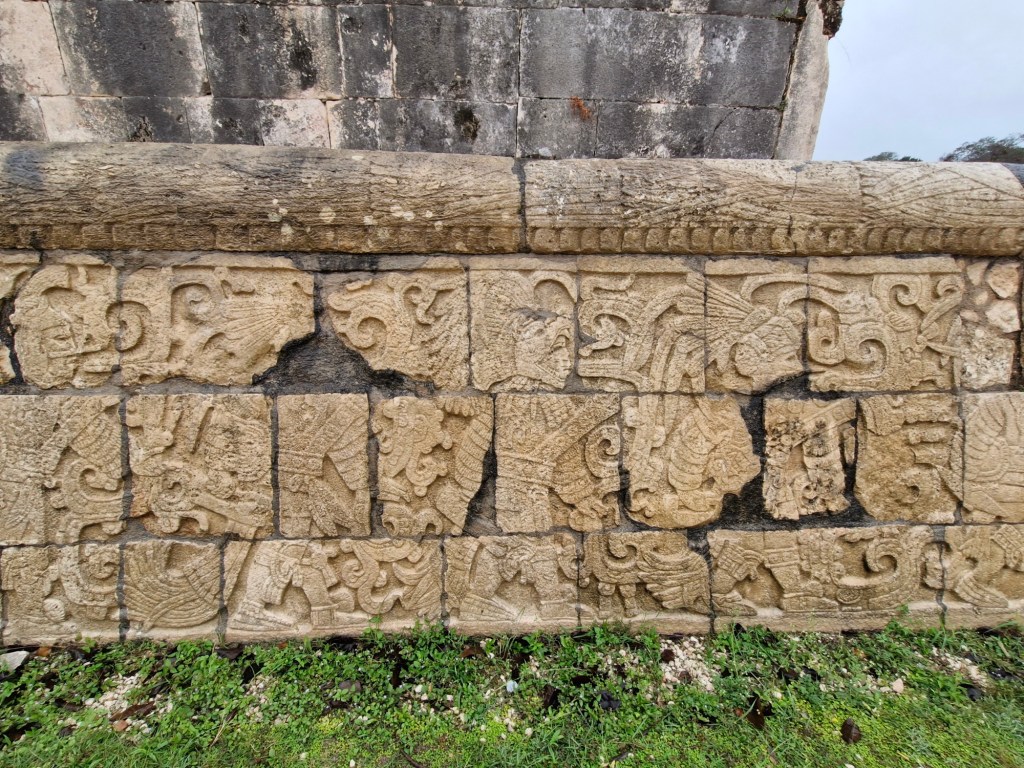
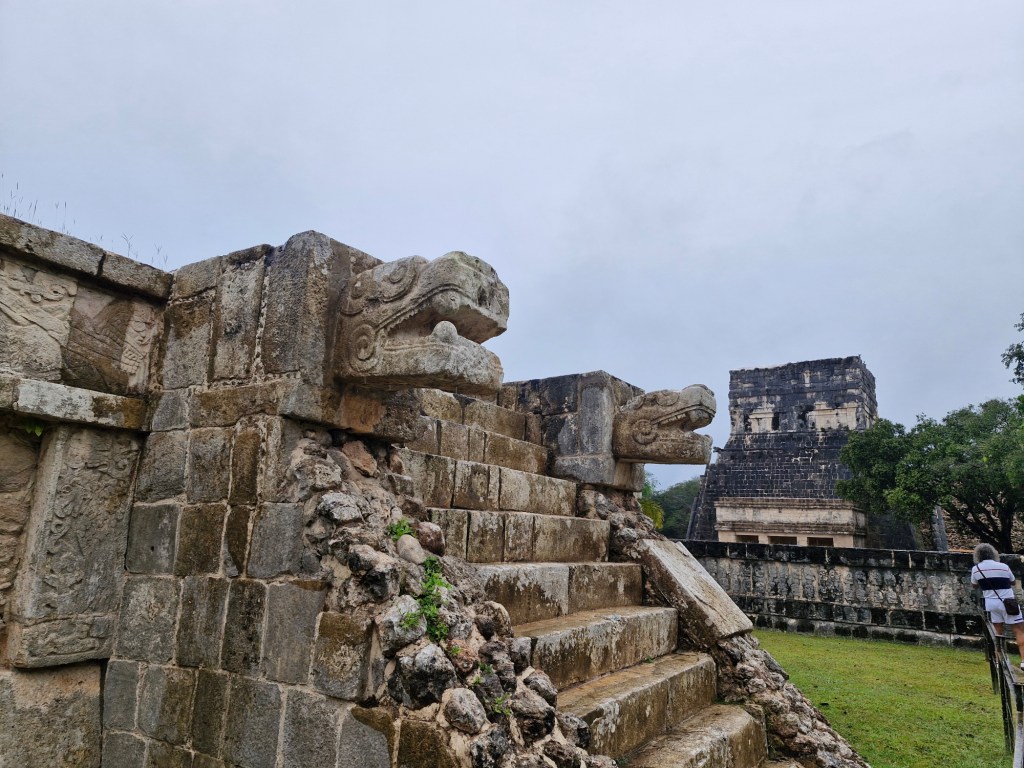
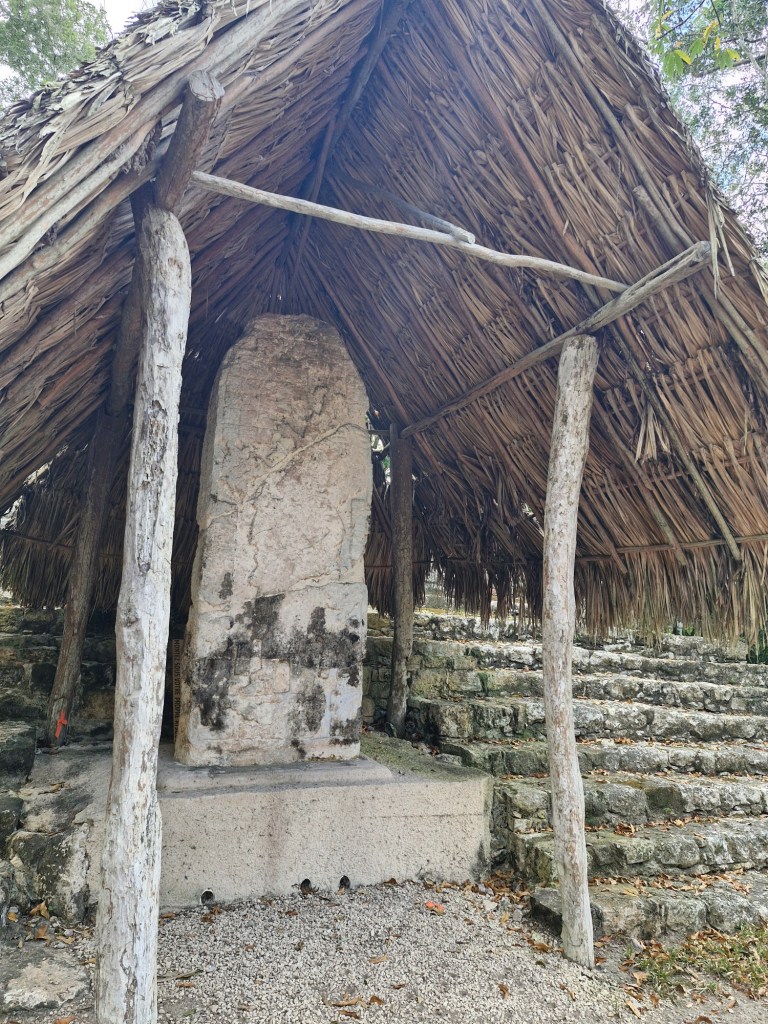
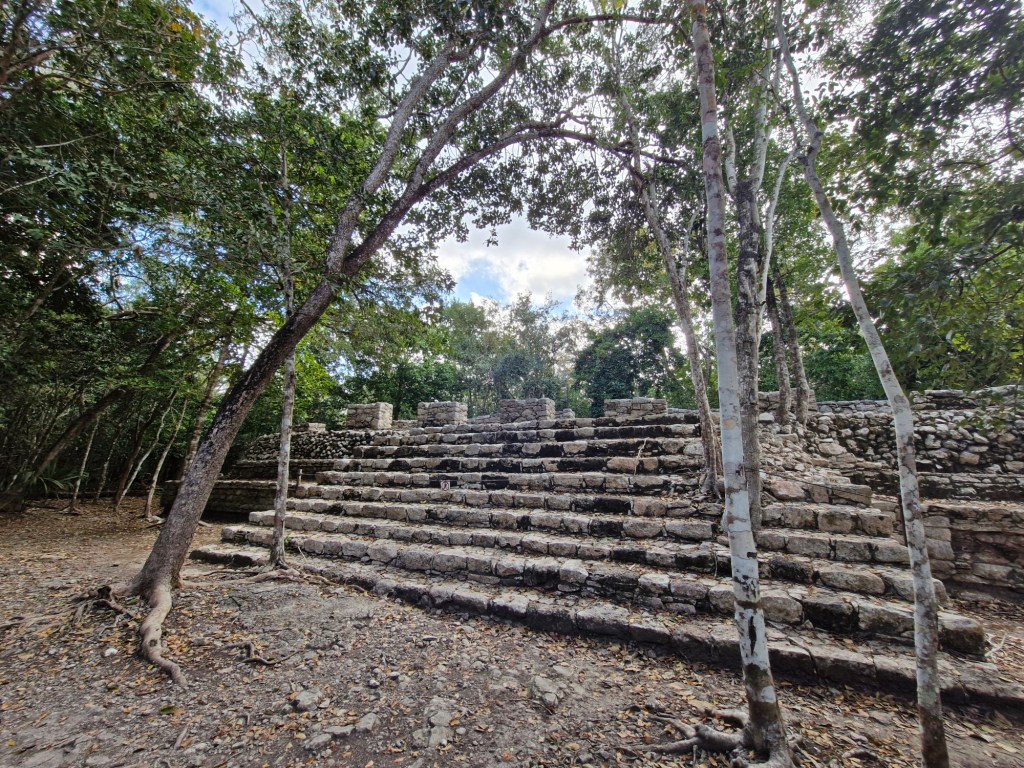
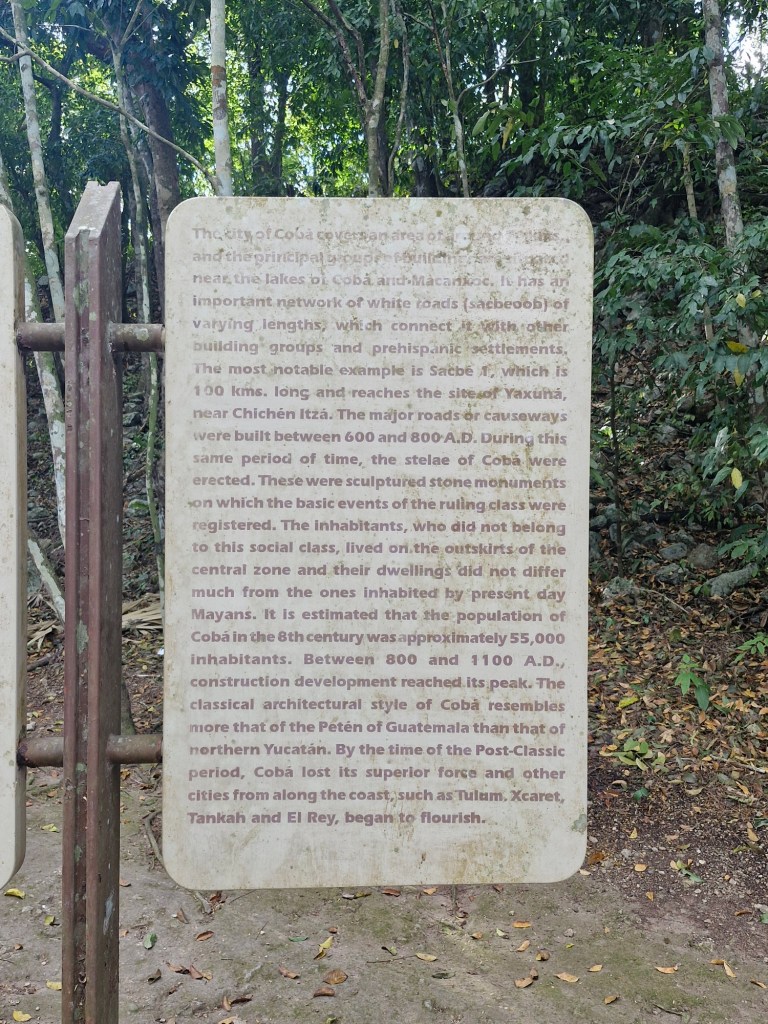
Mexico – Ethnographic Research on Mayan History
The Mayan creation story, primarily found in the sacred text called the Popol Vuh, tells how the gods created the world and humanity through several failed attempts. At first, the gods tried to make humans from mud, but they were too weak and dissolved. Next, they made humans from wood, but these beings were soulless and ungrateful, so they were destroyed by a great flood and attacked by animals. Finally, the gods succeeded in creating true humans from maize (corn), which was sacred to the Maya and seen as the essence of life.
The story also features hero twins, Hunahpu and Xbalanque, who journey to the underworld (Xibalba), outwit the gods of death, and rise again—symbolizing themes of sacrifice, rebirth, and cosmic order.
Other notes:
- Jade: cultural significance of the colour green and its associations with life and renweal
- Day of the Dead: Continuous exchange with ancestors – lived with mortal remains of ancestors – buried under the house (omnipresent).
- Obsidian – volcanic glass, stronger than steel
- Ritual self mutilation
- Pictographic writing – rich book culture
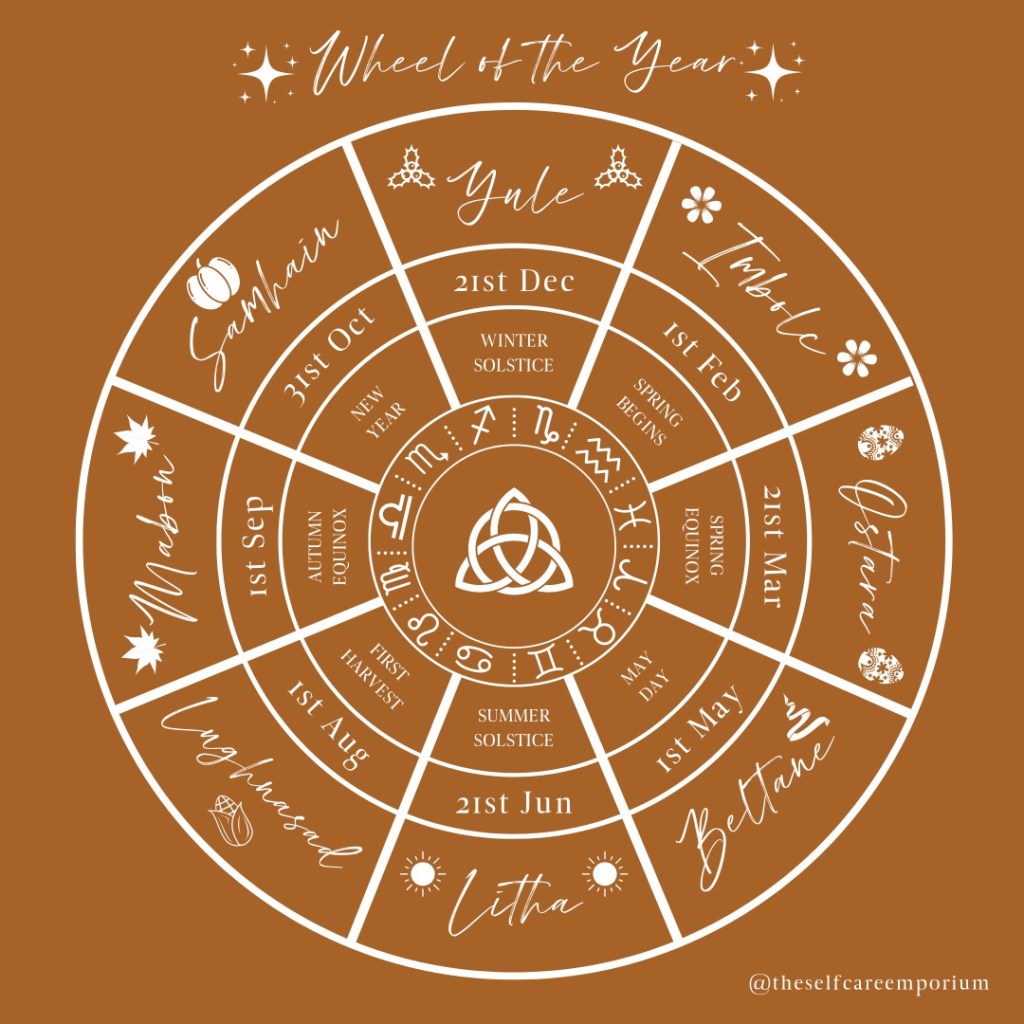
- Solar calendar and equinox’s
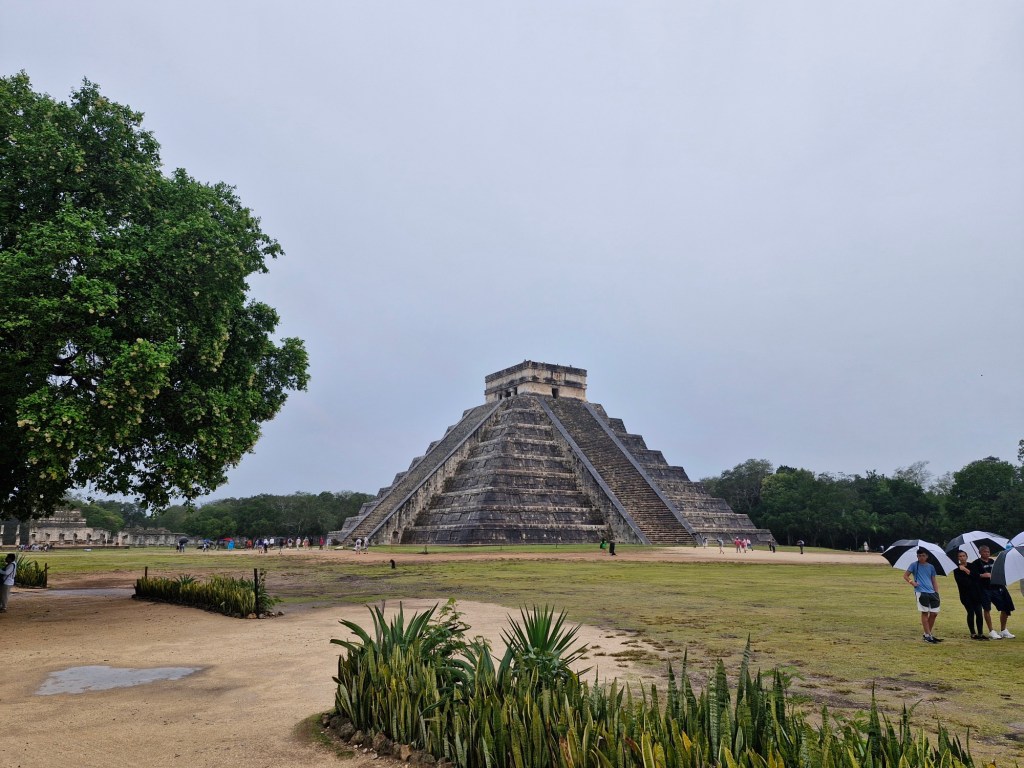
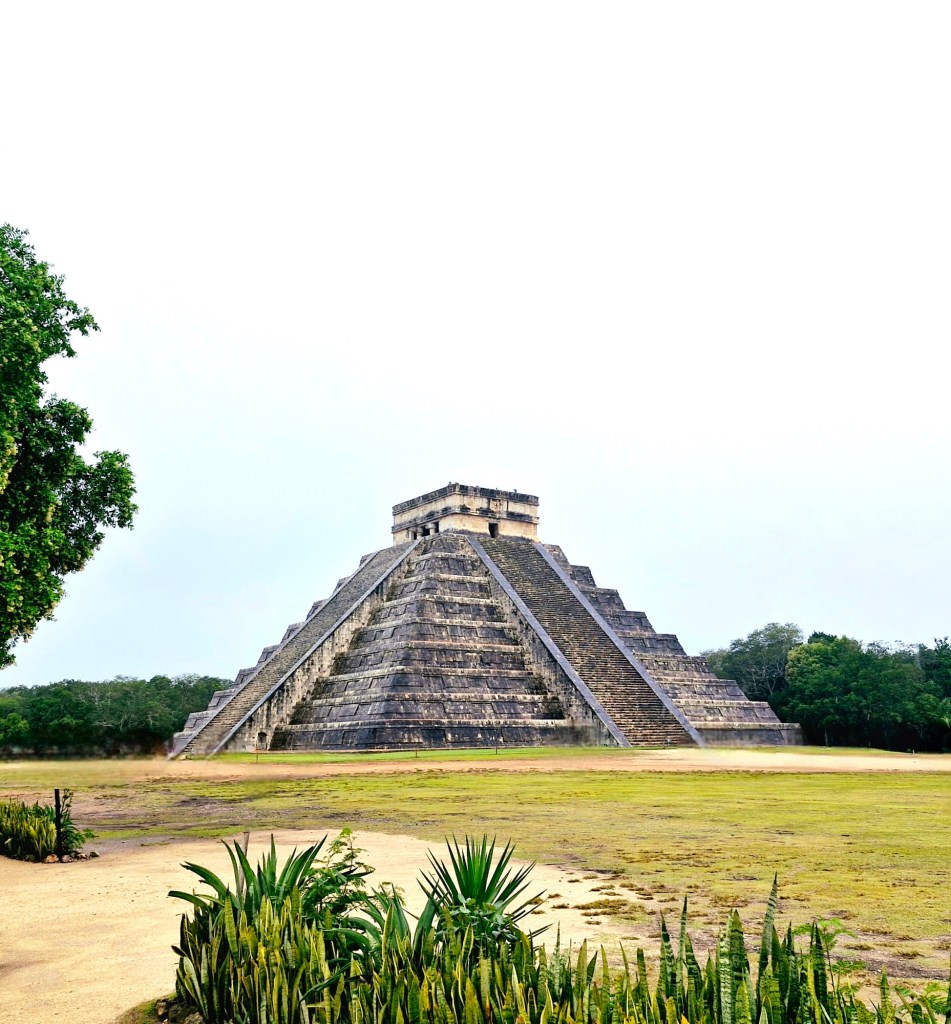
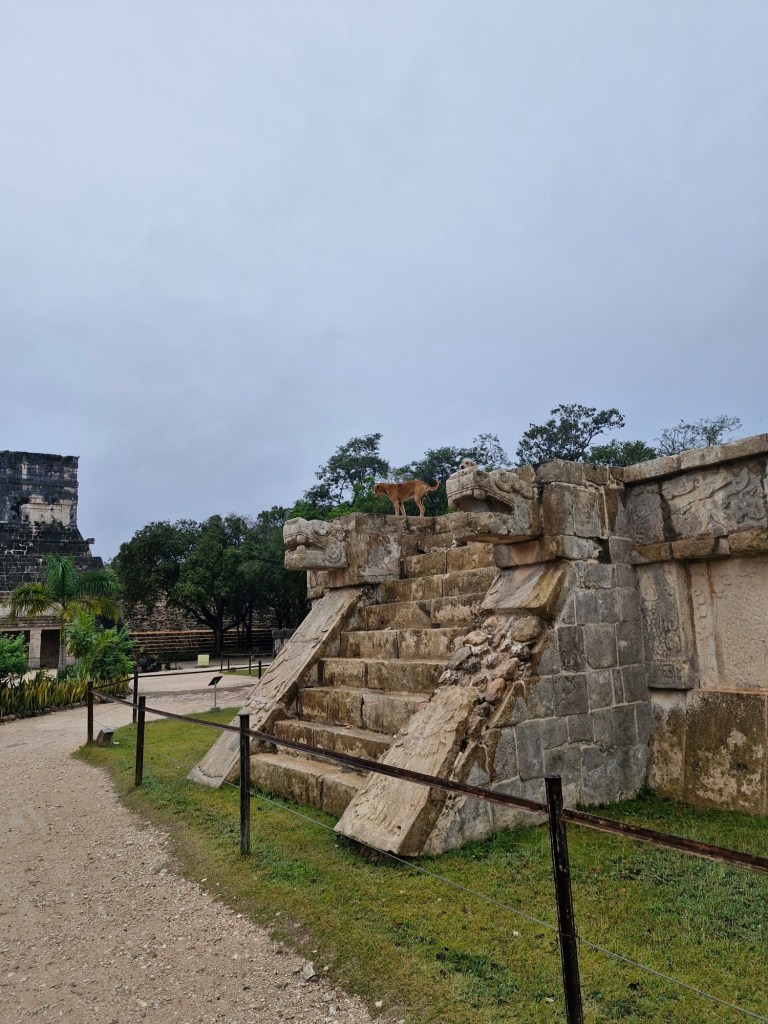
- Chichén Itzá was a sacred Mayan city centered around the Temple of Kukulcán, a pyramid aligned with celestial events. During the spring and autumn equinoxes, the setting sun casts a snake-like shadow on the pyramid steps, symbolizing the god Kukulcán. The Maya used constellations to track divine activity and structured the solar year around them. Through rituals like blood sacrifice, they offered life force to the gods in exchange for natural elements like rain, maintaining cosmic balance.


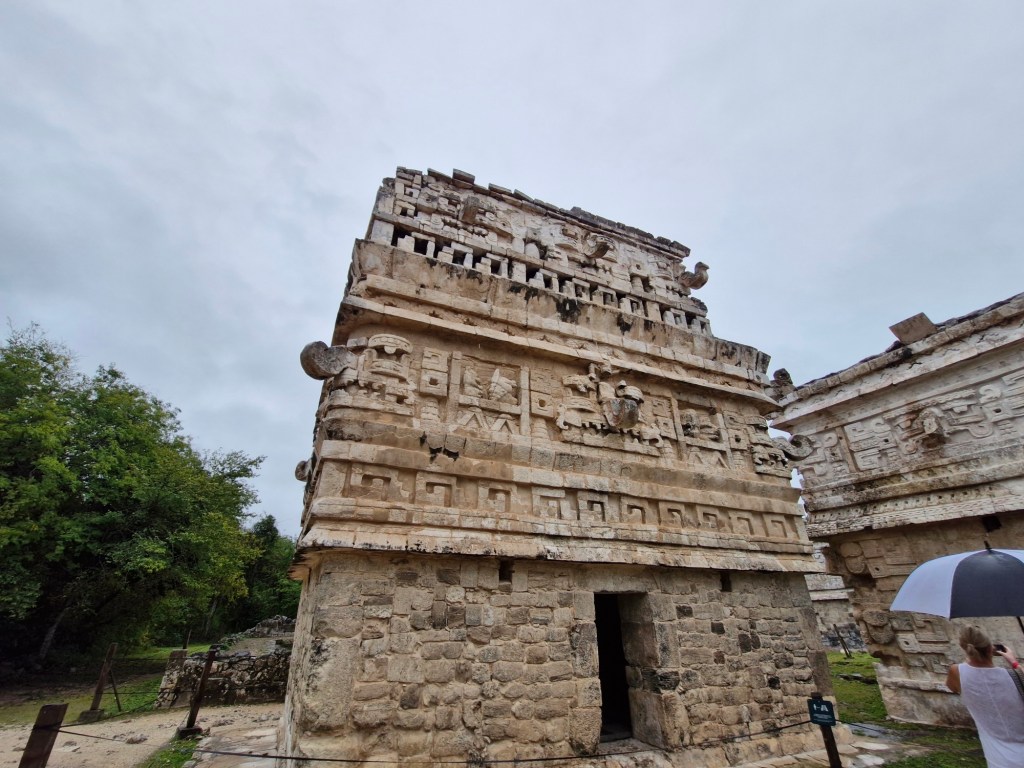
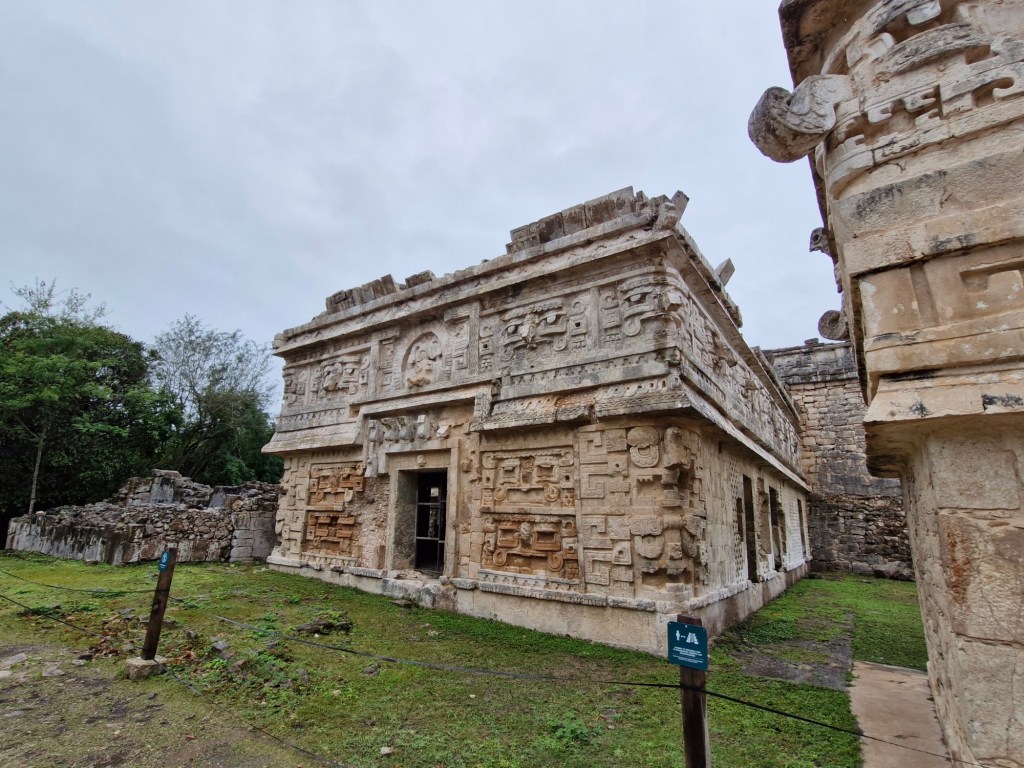

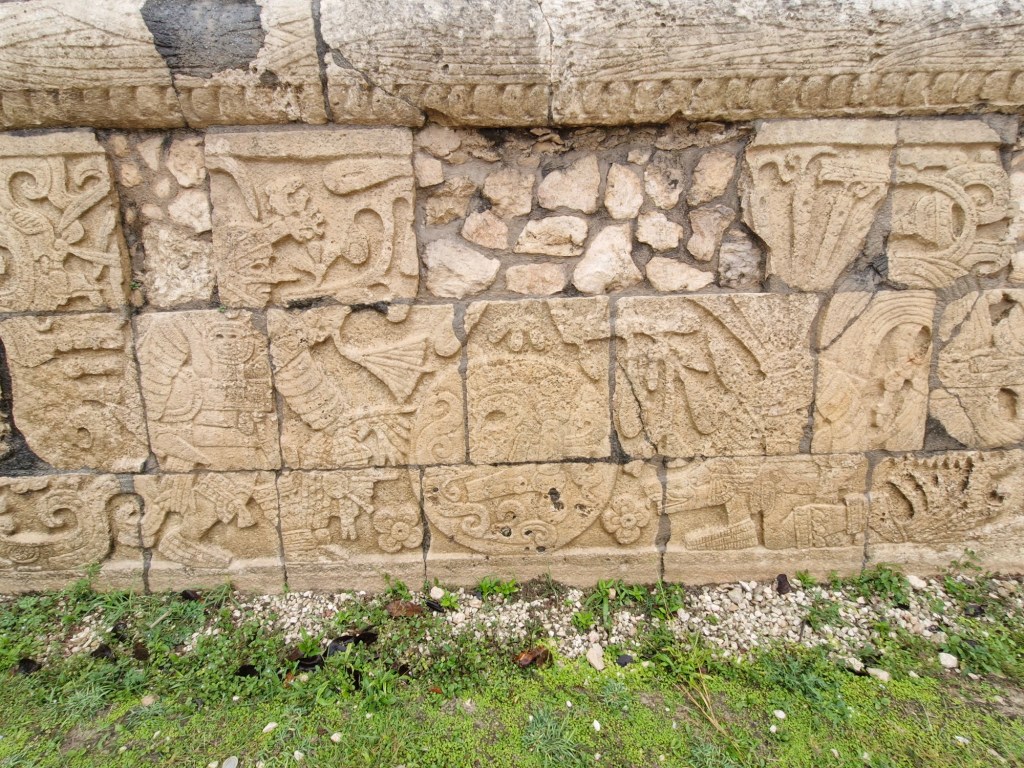
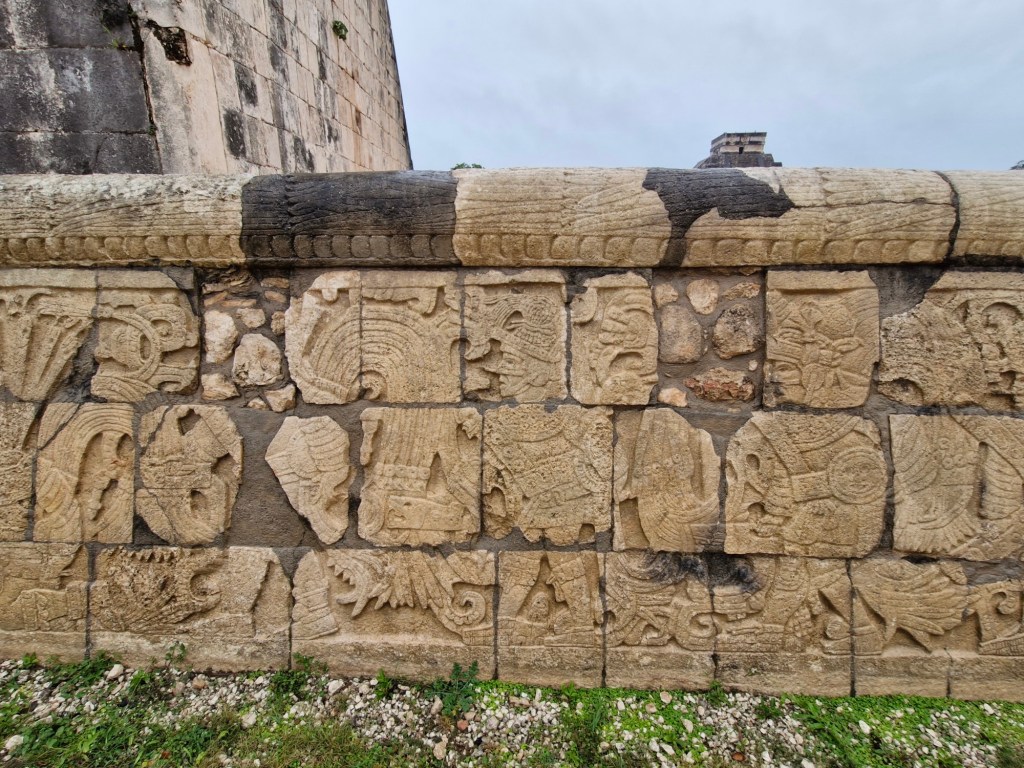

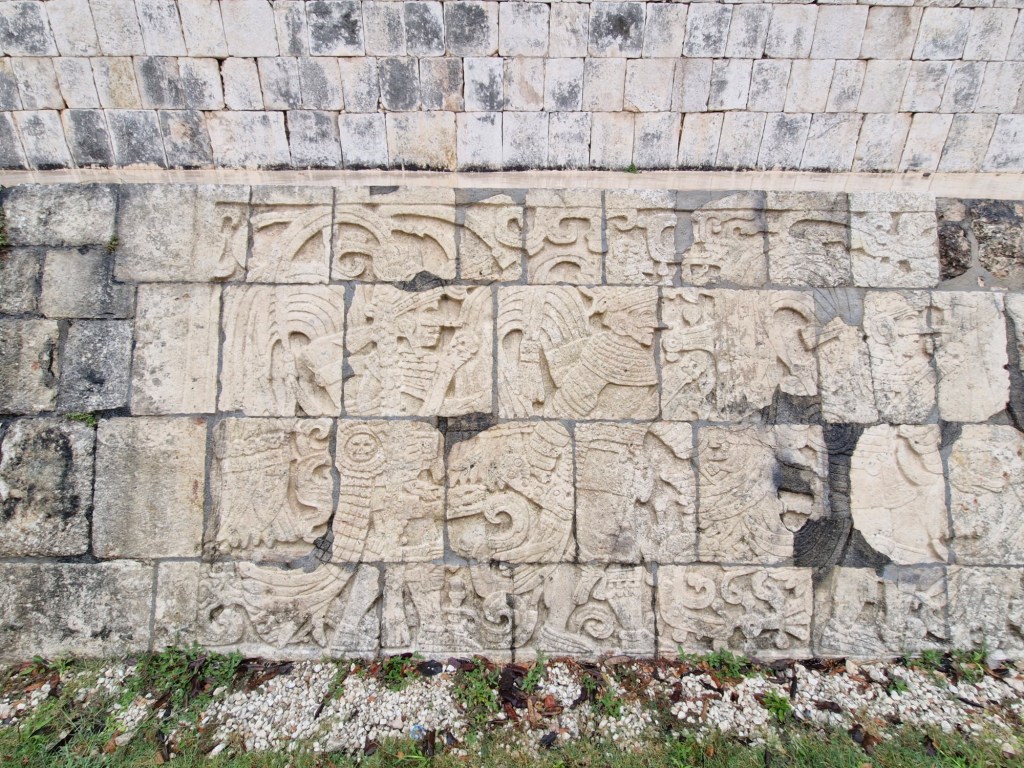

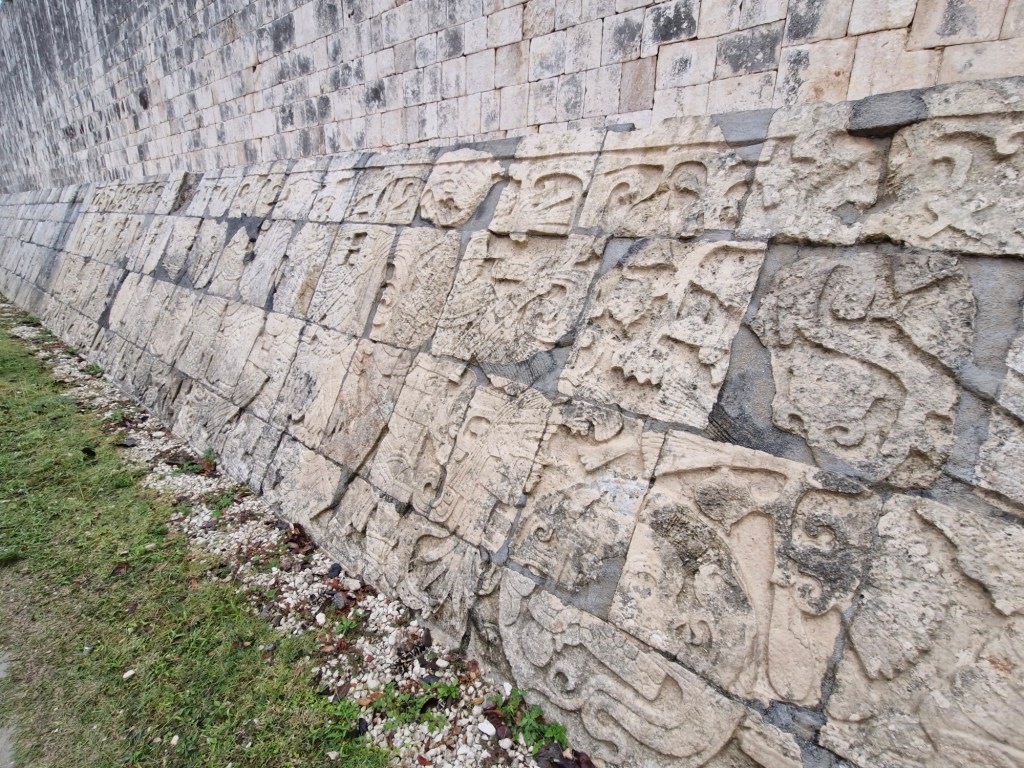
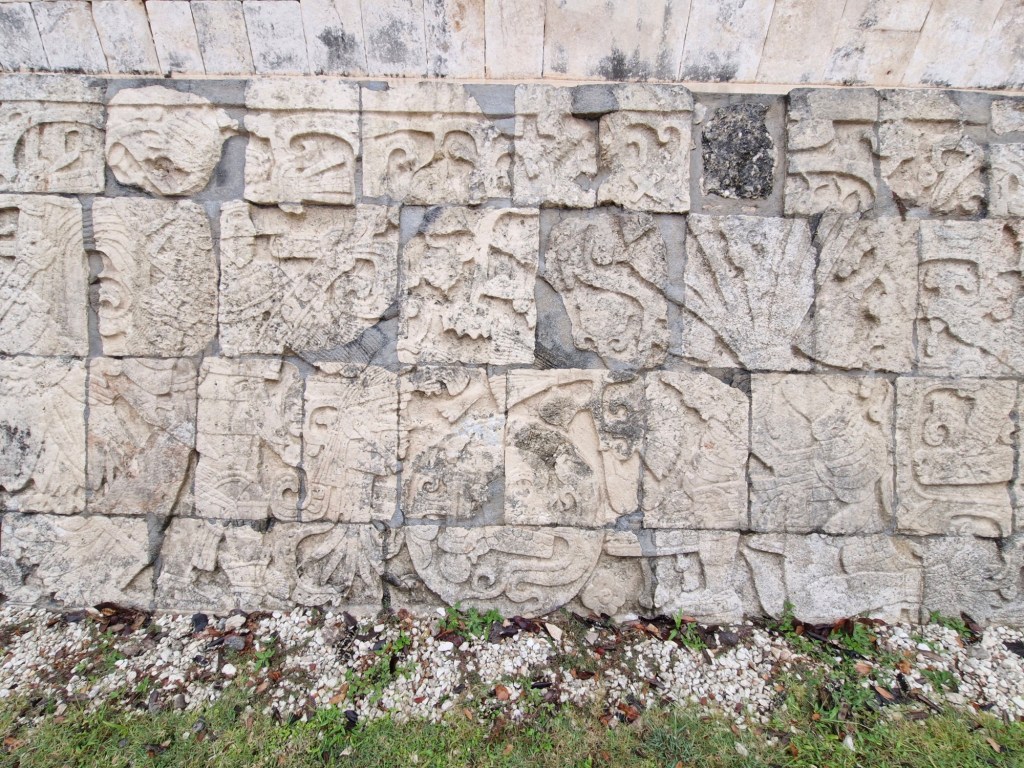


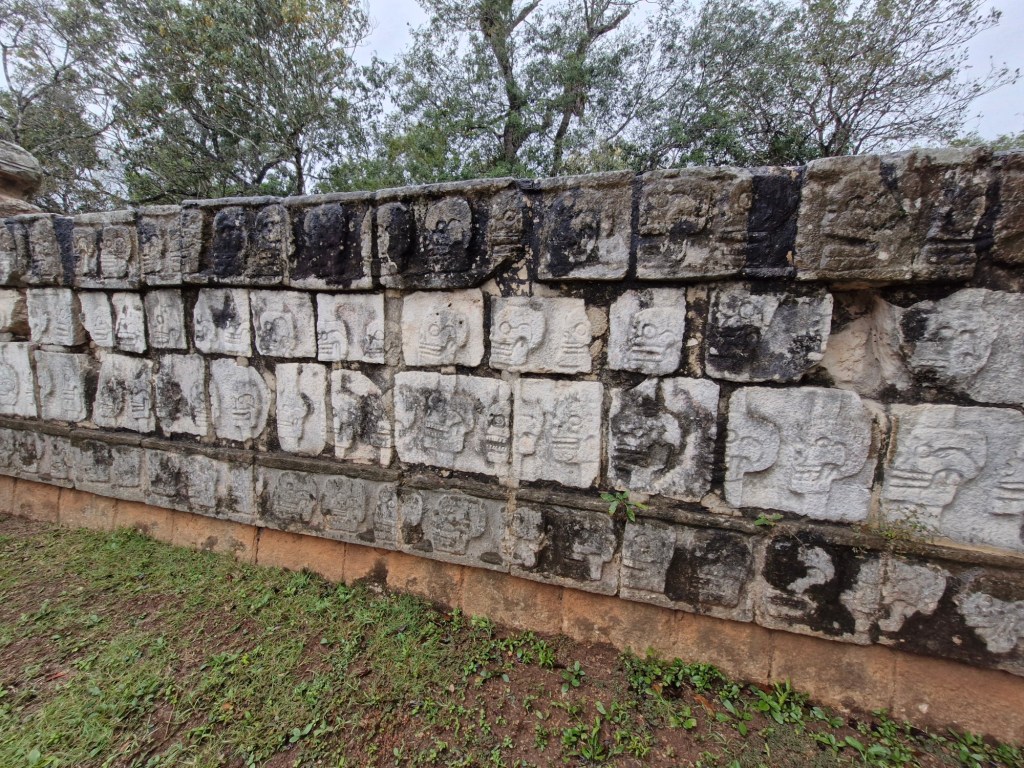
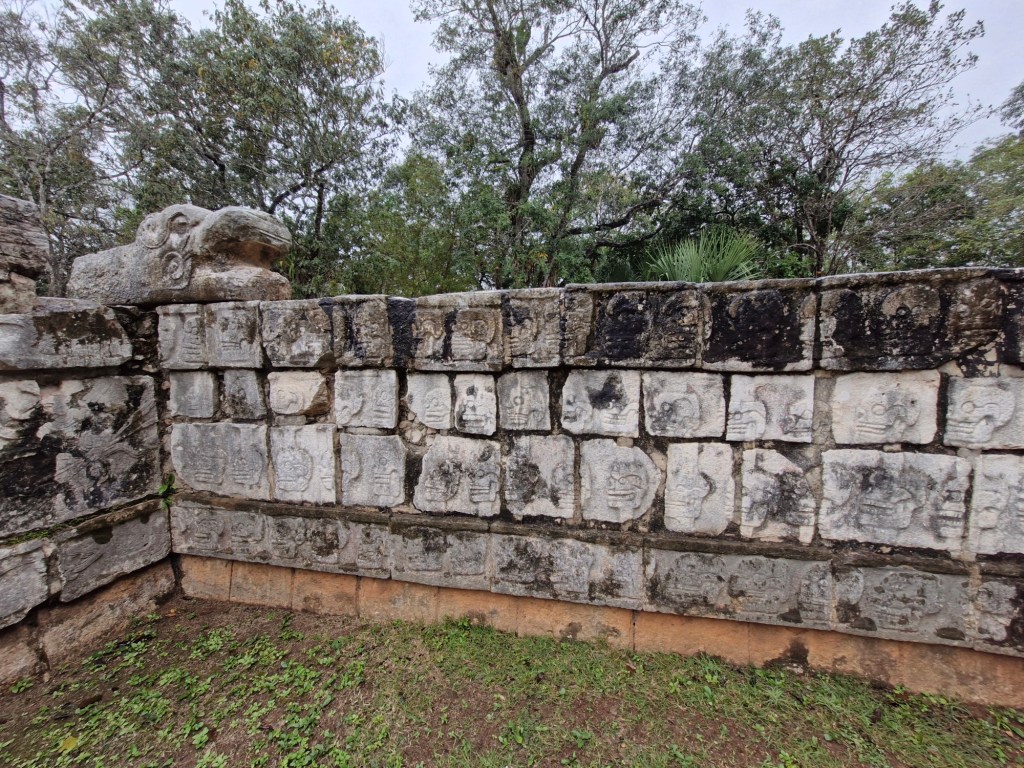


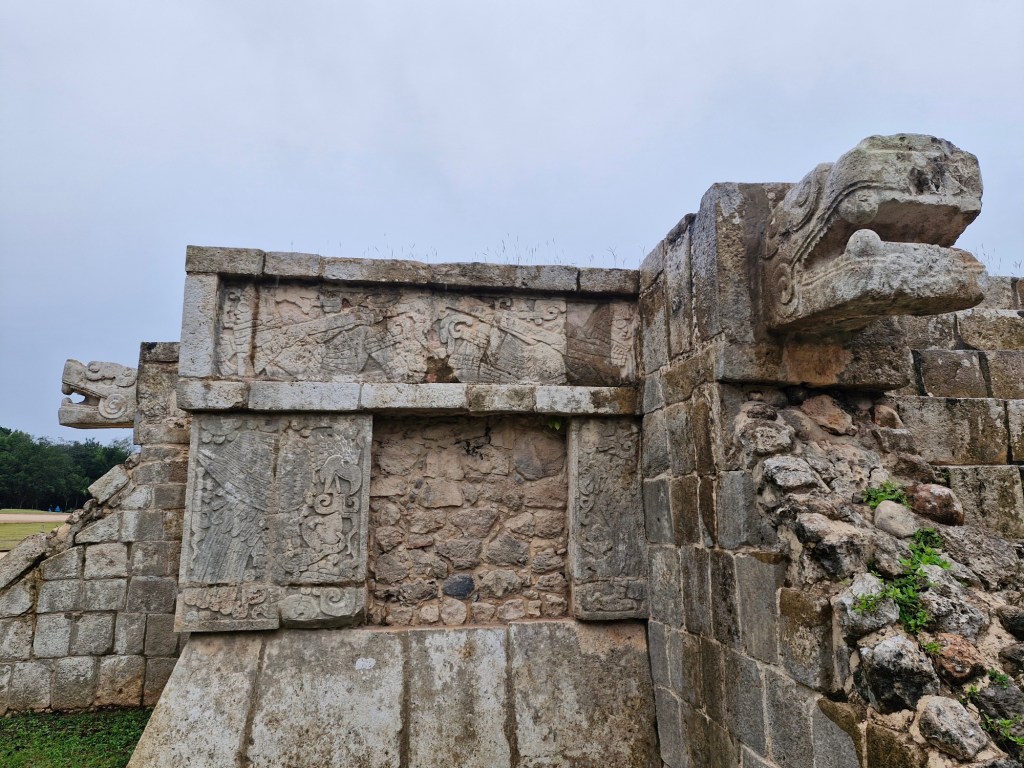


Mexico – Shamanism and Spiritual Connection with Nature

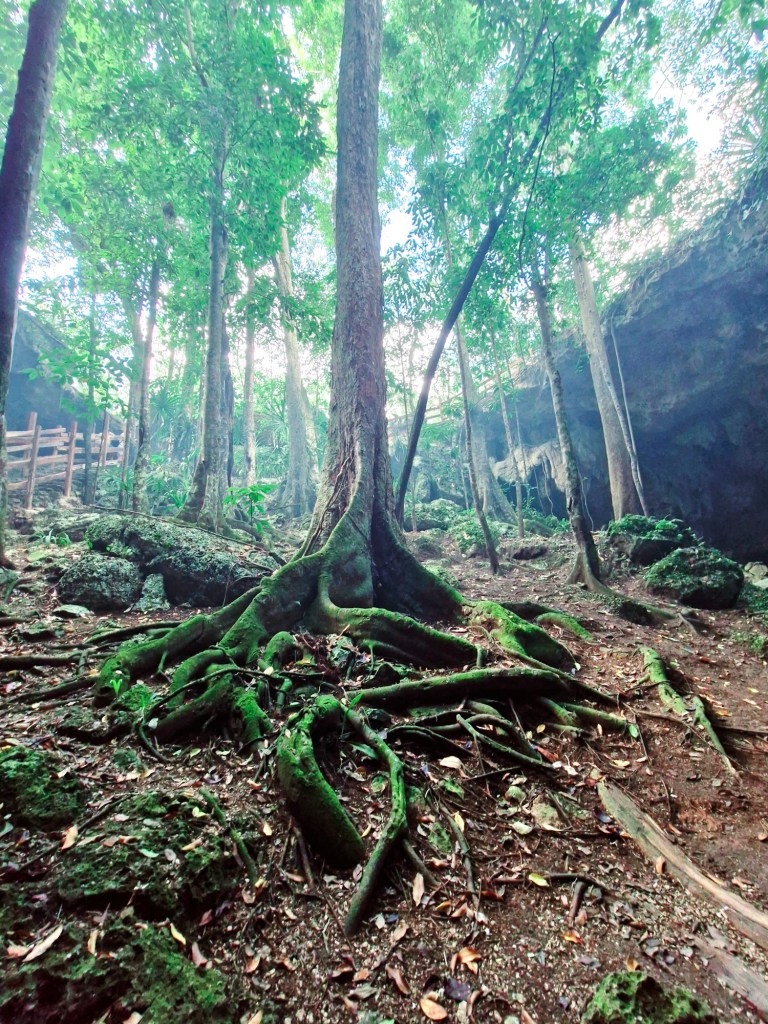
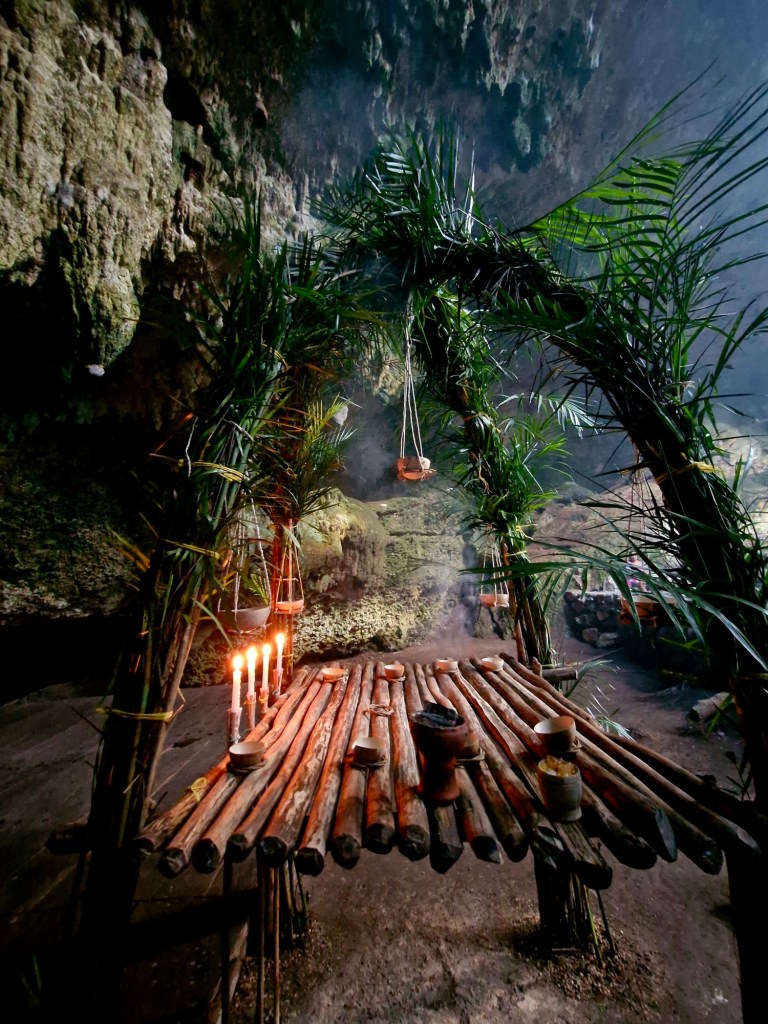
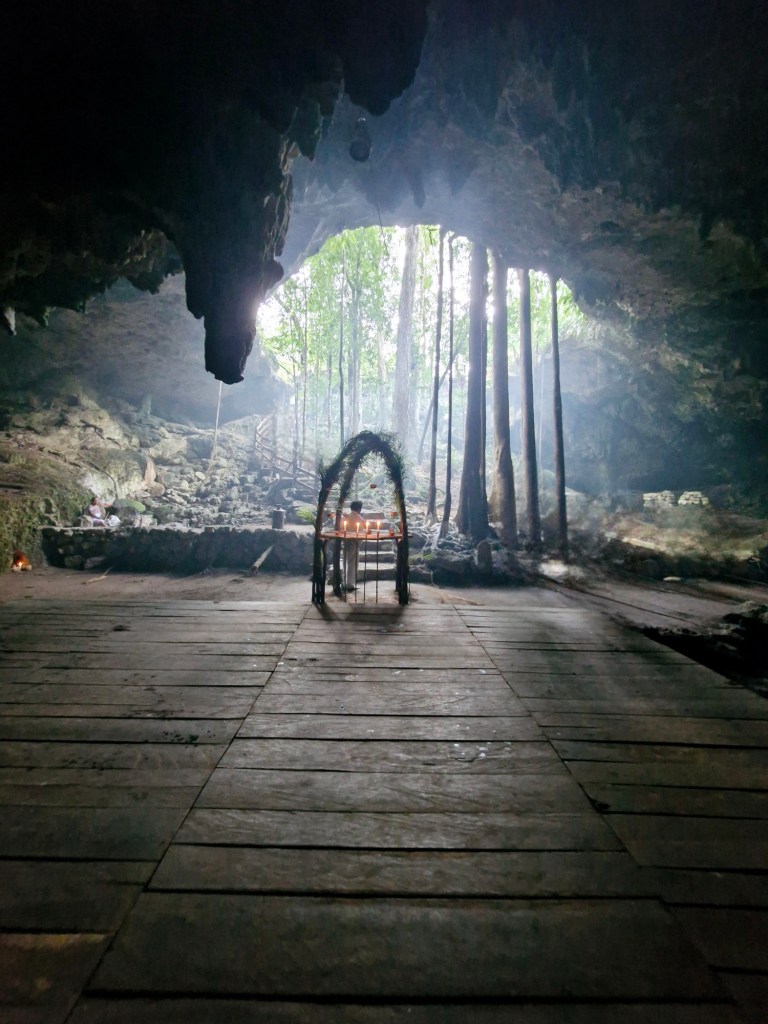

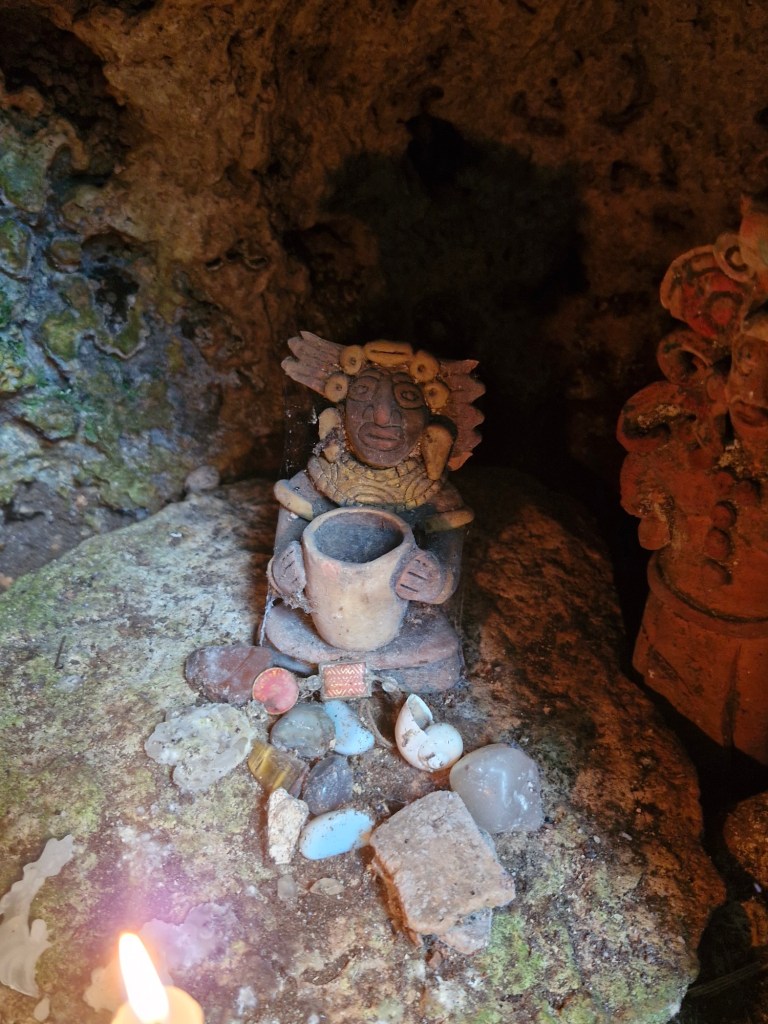

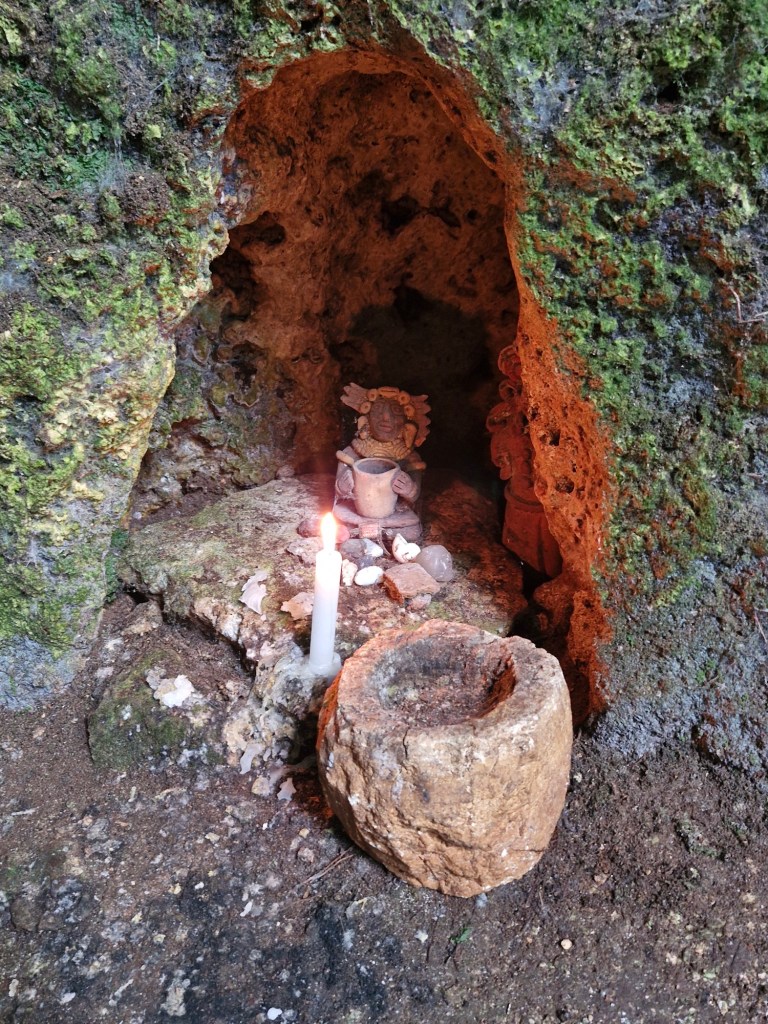
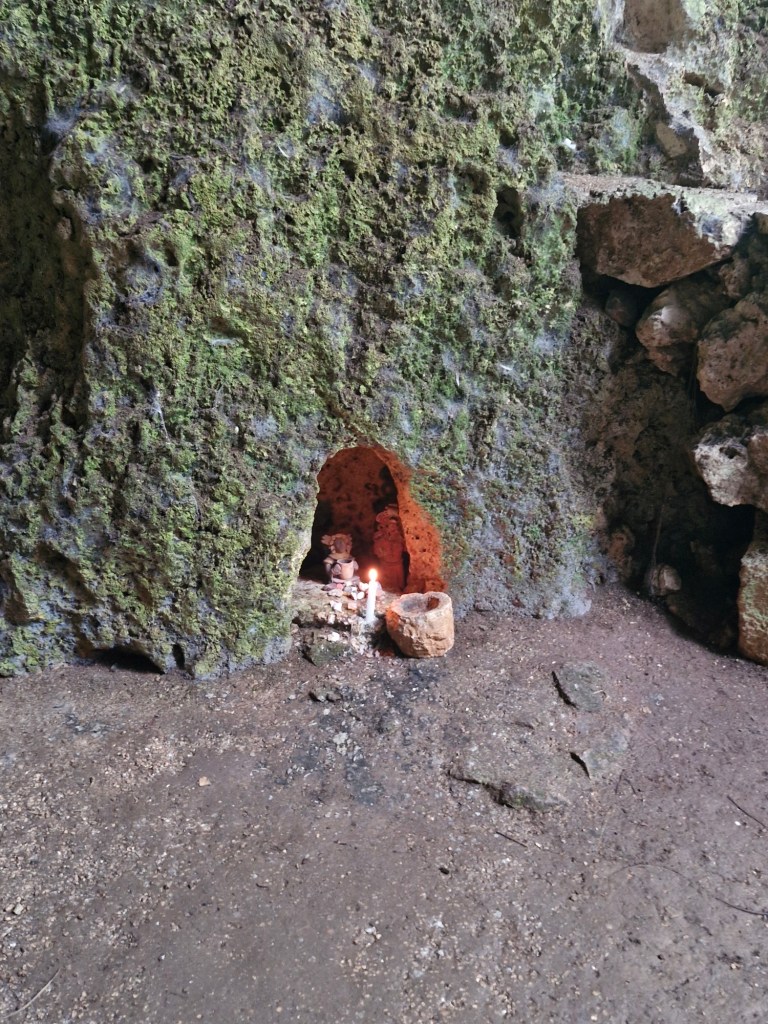

Mexico – Mayan forest



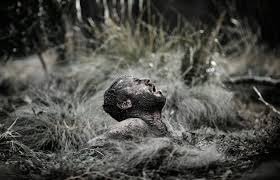

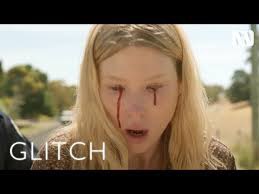
- Glitch: Speculative film series
- Allegory to the universal laws of nature and the boundaries between life and death
- Natura Cycles and the inevitability of death — generative power of mortal awareness
- Could the narrative explored in this series be interpreted from a eco-criticism perspective?
https://www.itsnicethat.com/features/death-and-design-creative-industry-301024


Jacob Collier, A Rock Somewhere:
I’m on a rock somewhere
It’s the only one I know, and I know it well
And somehow, I know you’re there
And I’m waitin’ on the world
I’m ringing the old church bell
I’ve forgotten how it goes but it feels like Hell
I guess you’re in Heaven now
And you’re never comin’ home
‘Cause even when I’m wide awake, I know
That you give Heaven other dreams for sure
If nothing’s ever gonna change at all
I’ll be waitin’ on the world
Go
Conditional words, I swear
See the people come and go, and they go so well
They countin’ the coins back there
It’s the only thing they know
And even when you’re down and out, I know
That you’ll be up in higher ground for sure
If nothing’s ever gonna change at all
I’ll be waitin’ on the world
I’ll be waitin’ on the world
Go
I’m on a rock somewhere
And I’ve been lookin’ at my phone, baby, I’m not scared
I guess I don’t know, my friend
You left me waitin’ on the world
I’ll be waitin’ on the world
Aurora: The Seed:
Just like the seed
I don’t know where to go
Through dirt and shadow, I grow
I’m reaching light through the struggle
Just like the seed
I’m chasing the wonder
I unravel myself
All in slow motion
You cannot eat money, oh no
You cannot eat money, oh no
When the last tree has fallen
And the rivers are poisoned
You cannot eat money, oh no
You cannot eat money, oh no
You cannot eat money, oh no
When the last tree has fallen
And the rivers are poisoned
You cannot eat money, oh no
Oh no
Suffocate me
So my tears can be rain
I will water the ground where I stand
So the flowers can grow back again
‘Cause just like the seed
Everything wants to live
We are burning our fingers
But we learn and forgive
You cannot eat money, oh no
You cannot eat money, oh no
When the last tree has fallen
And the rivers are poisoned
You cannot eat money, oh no
You cannot eat money, oh no
You cannot eat money, oh no
When the last tree has fallen
And the rivers are poisoned
You cannot eat money, oh no
Oh no
Feed me sunlight, feed me air
In a place where nothing matters
Feed me truth and feed me prayer (dancing around a shooting star)
And every cell remembers
Feed me sunlight, feed me air (that have taken us this far)
I see images of killer whales
Feed me truth and feed me prayers (sleeping in a desert trail)
Dreaming of a parallel world where nothing ever hurts
Dreaming of a parallel world where nothing ever hurts
You cannot eat money, oh no
You cannot eat money, oh no
When the last tree has fallen
And the rivers are poisoned
You cannot eat money, oh no
You cannot eat money, oh no
You cannot eat money, oh no
When the last tree has fallen
And the rivers are poisoned
You cannot eat money, oh no
Oh no
Draft Project Proposal
Written Proposal: History & Theory
Title:
How does the sublime manifest in contemporary aesthetics to create new meanings surrounding humanity’s relationship with nature in the context of the Anthropocene?
Summary:
This research project aims to explore the concept of the sublime and its evolving function within contemporary visual culture and cross disciplinary practice. In particular, I will analyse how sublime experiences of awe, fear, terror and self-preservative desire can inspire social critique of ecological themes and foster deeper connections between human audiences and nature. The project will be informed by philosophical, art historical and design theory, supporting a studio practice inspired by ecological themes which seeks refine a unique creative identity and visual language effectively positioned at the intersection of art and design.
Objectives:
- Objective 1: Critical Historical and Conceptual Underpinning
- Develop critical awareness through contextual research, philosophical concepts and art-historical theories. Analyse contemporary applications of the sublime in conjunction with romanticism, and conceptual art to identify new narratives unique to humanity’s role within the Anthropocene.
- Objective 2: Refine Studio Practice & Creative Identity
- The research project shall provide theoretical grounding for my final studio practice, which shall be explore a secondary question: How can the boundaries between art and design be interrogated to inform a socially relevant contemporary practice?
- Objective 3: Identify Future Practice Direction
- Conclude the project with goals and ideas for future work as a professional creative practitioner. E.g., collaborative projects/ working with environmental charities/ initiatives
Literature Review:
- Edmund Burke (1757): A Philosophical Enquiry into the Origin of Our Ideas of the Sublime and Beautiful: examines the emotional and psychological responses associated with the sublime.
- Immanuel Kant (1790): Critique of Judgment: explores the sublime as a transcendental aesthetic experience that transcends human limitations.
- Timothy Morton (2013): Hyperobjects: Philosophy and Ecology After the End of the World: examines the Anthropocene as a new epoch defined by human impact on the environment.
- Friedrich Nietzsche (1882): The Gay Science: provides insight into how secularisation influences modern art’s exploration the unknown.
- Martin Heidegger: – Being and Time (1927): explores how awareness of ‘das nichts’ (absence of being/ death) enables human beings to overcome Geworfenheit (thrownness into limiting social systems) and embrace authenticity and freedom.
Methodology:
- Philosophical: examine Burke’s analysis of the sublime in contemporary aesthetics and how existentialist concepts influence human identity and our relationship with nature, mortality and transcendence.
- Art Historical: Research canonical examples of the sublime and its evolution throughout classical, romantic and conceptual periods. Analyse techniques such as portraiture, visual metaphor, symbolism and processes driven practice.
- Sociological & Political: Considering the role of the artist and designer providing social critique and exploring moral responsibility:
Written Proposal: Research Plan
Timings:
- Phase 1: Research & Discover
- Week 1-2 | Review – Evaluation of Work & Perspectives
- Week 3-4 | Question & Refinement – Developing of Key Themes & Areas of Interest
- Phase 2: Define, Test & Prepare
- Week 5-6 | Skills & Design Experimentation – Project Warm ups & Project Planning
- Week 7-8 | External Evaluation & Review – Case Study Presentations
- Phase 3: Design Development
- Week 9-10 | Tutor & Peer Review of Work to Date
- Week 11-12 | Design Development – Ongoing Concept & Project Refinement
- Phase 4: Deliver
- Week 13-16 | Further Development – Peer Review & Report Draft
- Week 17-18 | Assembling Final Parts of Studio Practice – Completion of Critical Report
- Week 19-24 | Final Production Period – Submission & Launch of MA project and Next Steps
Target Audience: Consists of eco-conscious, affluent, and intellectual consumers, typically aged 25-60, who value sustainability, ethical production, and artistic expression, seeking a meaningful connection to nature.
Logistics:
- Physical Production
- Physical production and professional printing may be outsourced, which will require forward thinking and awareness of potential lead times, cost or delays.
- Alternatively, investment could be made for in-house technology (for example a fine art printer)
- Freelance Administration
- This research project aims to provide theoretical grounding for a professionally established studio practice, requiring me to launch my own personal branding. Therefore, I will conduct thorough research into aspects of self-employment in the UK including tax, brand name registering/ intellectual property, invoicing process/ software and pricing. I will also observe independent practitioners and relevant practice models.
- Feedback:
- Recruit test participants early in the project, either through a mailing list, social media, or targeted invitations.
- Schedule sessions with test groups for feedback on specific designs. Organize a structured method for collecting both qualitative (open-ended) and quantitative (rating scale) feedback.
- Arrange for documentation of testing sessions (audio or video recording, if needed) for deeper analysis.
Resourcing:
- Software: Adobe Creative Suite (Illustrator, Photoshop, Dimension, After Effects, premier Pro), procreate for illustrations,
- Hardware: DSLR Camera for visual research and recording, inkjet fine art printer, fine art printing surfaces
- Fine Art/ Traditional Craft Materials: Sketchbooks, paints, art surfaces, organic material for experimentation
- Research Trips: Galleries, museums, nature locations and targeted centres for visual references and subjects
- Academic Sources: Archives, articles, books, lectures, online galleries and film

 CATHY DAVIES